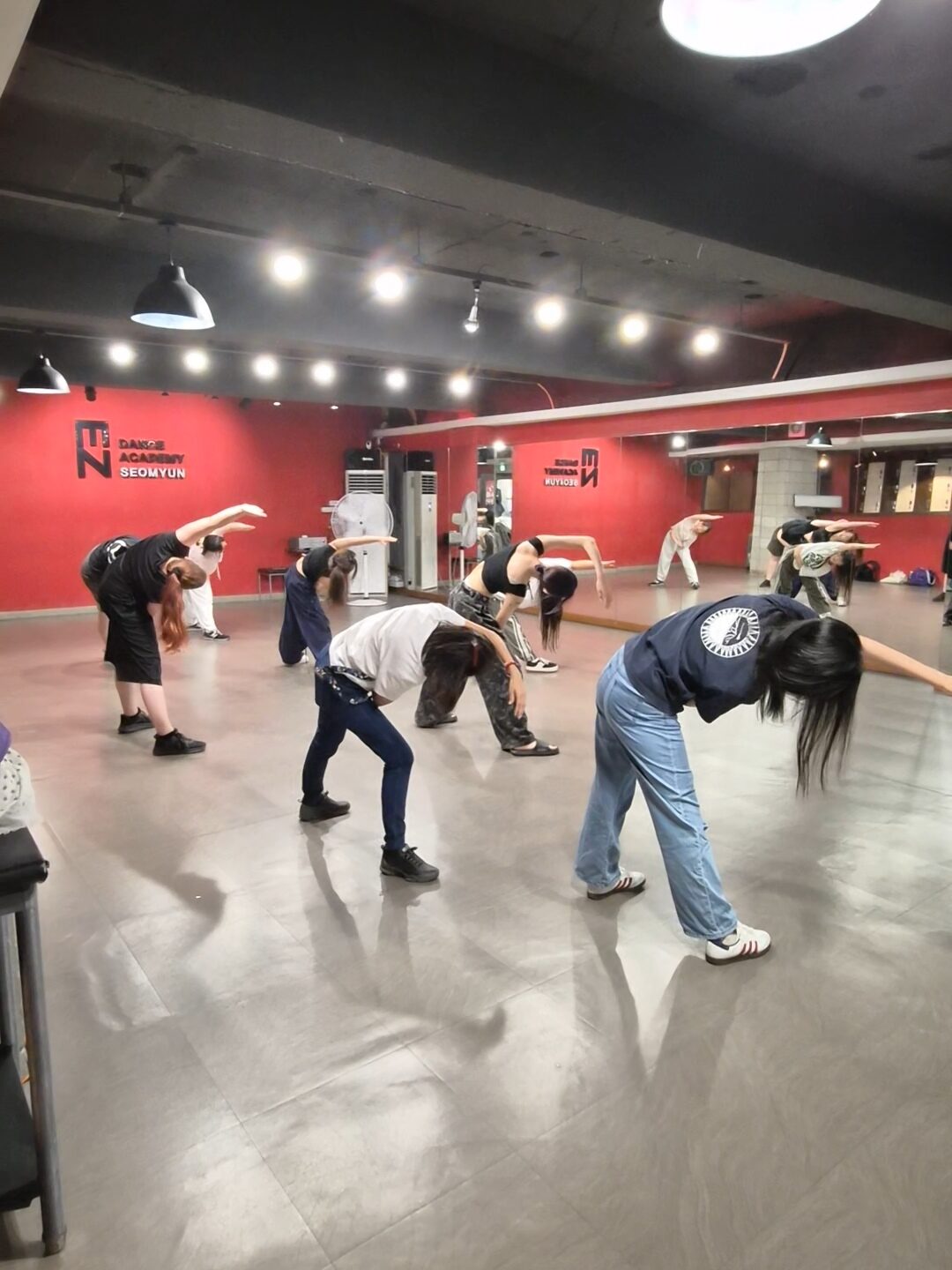
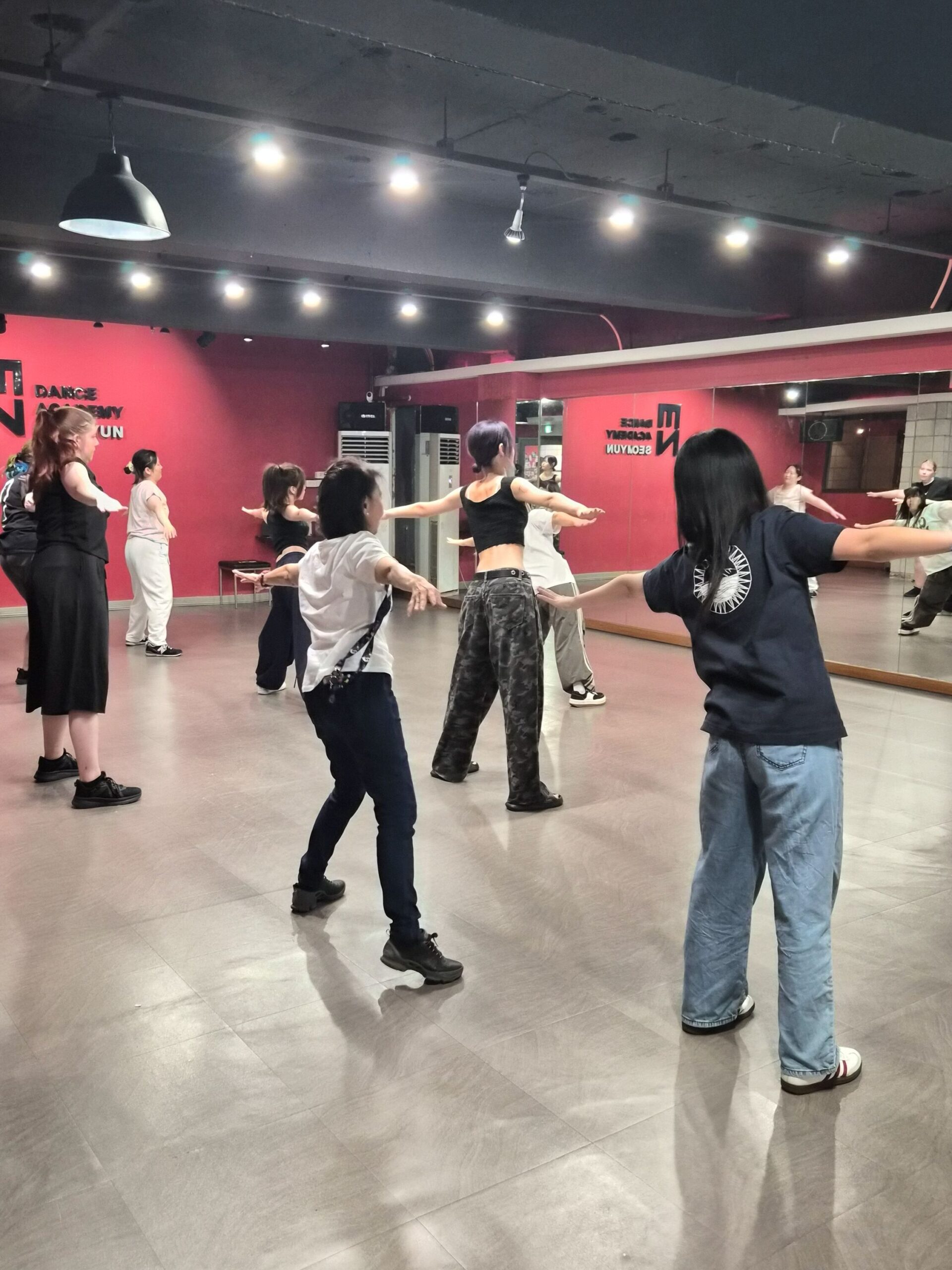
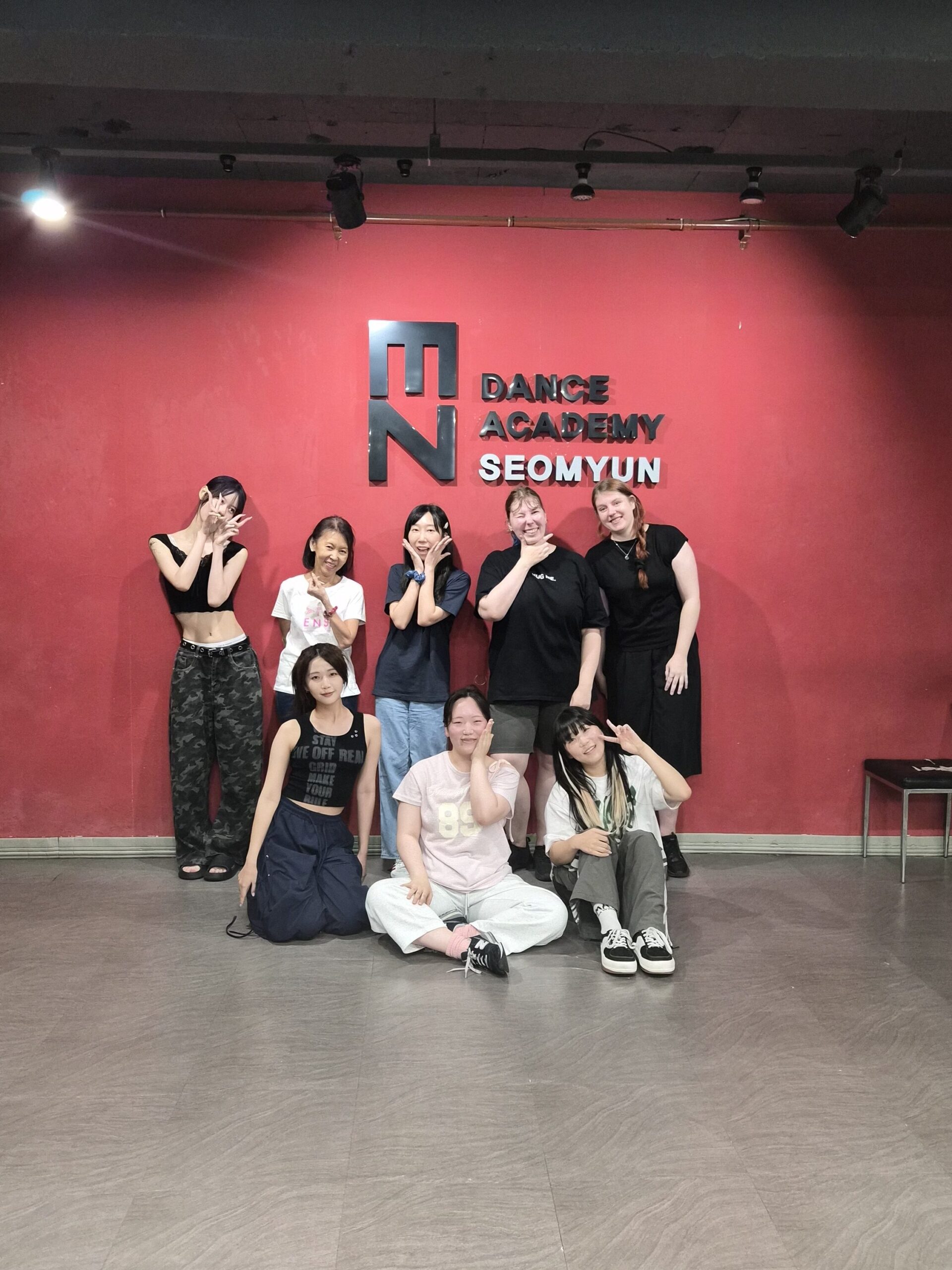
안녕하세요. 오늘은 ATEEZ의 BAD의 안무를 배웠습니다. 이 곡의 포인트 안무로 한국에서도 아주 큰 인기를 얻어 아이돌뿐만 아니라 배우, 코미디언도 따라하며 SNS에서 유행하고 있어요.
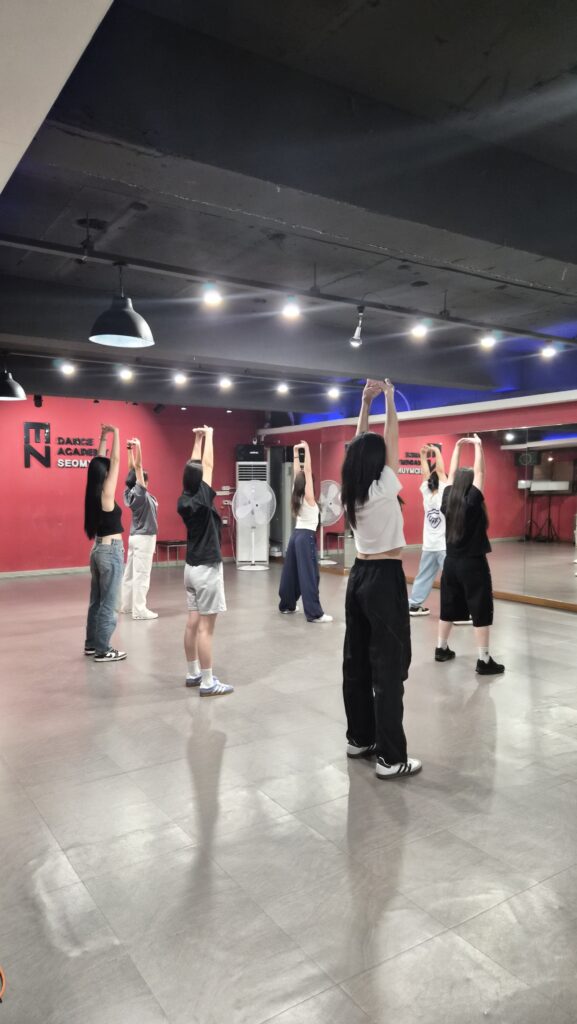
안무를 배우기 전 신나는 음악에 맞춰 몸을 풀어 줬어요.
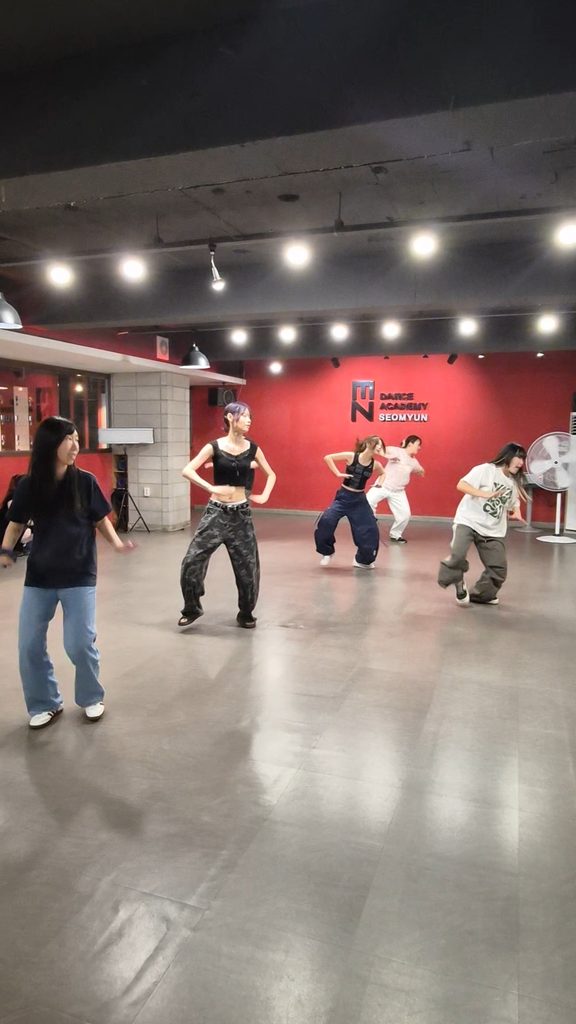
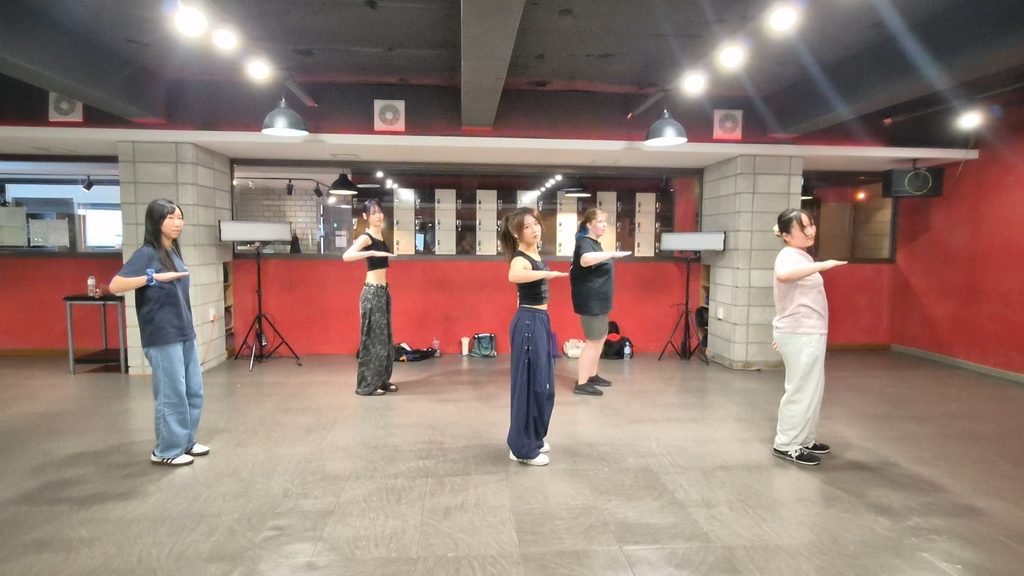
난이도가 높은 안무에 처음에 살짝 놀랐지만 안무 선생님을 따라 천천히 동작이 하나하나 완성됐어요. 선생님과 마치 한 명처럼 춤을 추는 모습이 정말 멋있었어요. 박자를 하나하나 다 표현하는 안무라서 조금 힘들었지만 포인트 안무까지 멋지게 배웠어요.
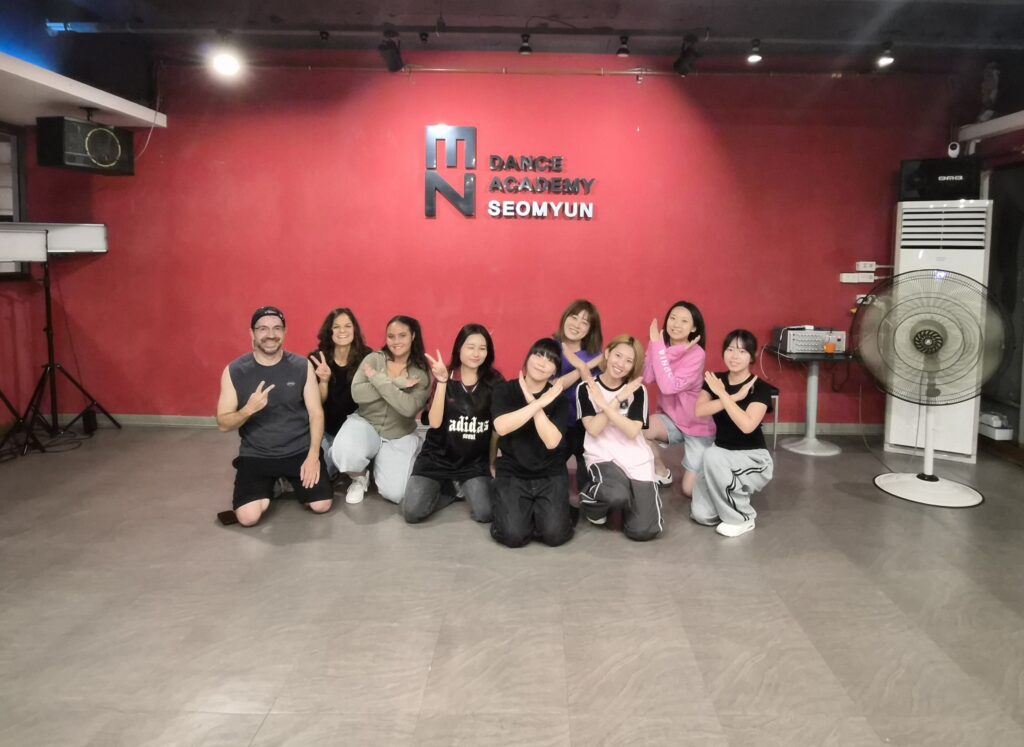
마지막으로 안무 선생님 없이! 처음부터 끝까지 춤을 맞춰 보는 영상 촬영과 함께 수업을 마무리했습니다.
Hello, everyone! Today, we learned the choreography for ATEEZ’s “BAD.”
With its standout point dance, this song has become hugely popular in Korea. It’s currently trending all over social media, with idols, actors, and comedians all joining in on the challenge!
Before diving into the choreography, we warmed up to some energetic music. Everyone was a bit surprised at first by the high difficulty level, but by following the instructor step-by-step, the movements slowly came together.
Watching the students dance in perfect sync with the instructor was truly amazing! Since the choreography expresses every single beat, it was a bit challenging, but everyone mastered the key point moves brilliantly.
Finally, we wrapped up the class by filming a video where the students danced the entire routine from start to finish—completely on their own without the instructor!
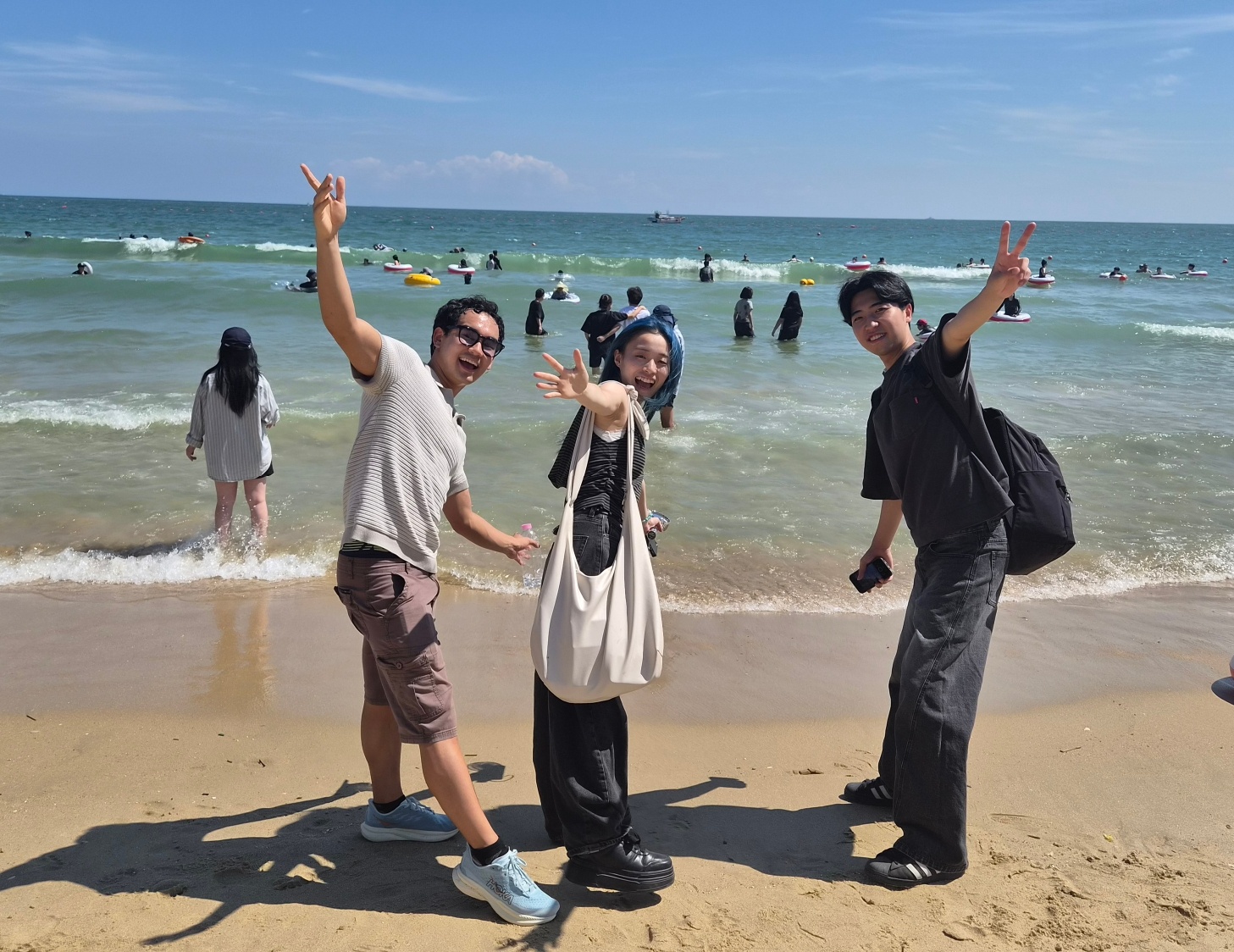
먼저 해운대 바다에 도착해 아름다운 바다 풍경을 감상하고 함께 사진을 찍었습니다. 바닷물에 발을 담가 보기도 하고, 시원한 바닷물과 모래사장을 직접 체험하며 즐거운 시간을 보냈습니다.
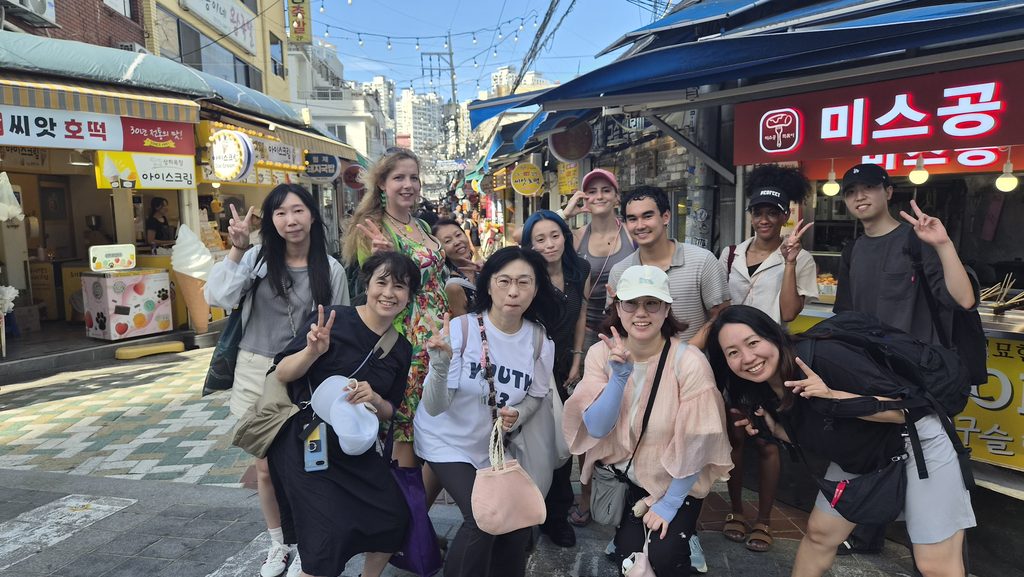
바다에서 즐거운 시간을 보낸 후에는 해운대 시장을 방문했습니다. 시장에서는 다양한 음식과 활기찬 분위기를 경험할 수 있었습니다. 게 튀김을 시식해 보고, 김치전과 같은 한국 음식을 직접 사서 맛보았습니다. 각자 먹고 싶은 음식을 고르고 함께 나누어 먹으면서 한국의 시장 문화를 더욱 가까이에서 느낄 수 있었습니다.
이번 문화 체험을 통해 한국의 아름다운 자연뿐만 아니라 시장의 음식과 일상적인 분위기도 경험할 수 있었습니다. 해운대의 바다와 해운대 시장에서 모두 즐겁고 특별한 추억을 만들었습니다.
Hello! Today, we went on a cultural experience trip to Haeundae Beach and Haeundae Market.
First, we enjoyed the beautiful ocean views at Haeundae Beach and took photos together. Some students dipped their feet in the seawater and had a wonderful time experiencing the cool water and sandy beach.
After enjoying the beach, we visited Haeundae Market. There, we experienced a lively atmosphere and tried a variety of foods. We sampled fried crab and bought Korean foods, such as kimchi pancakes, that we wanted to try.
By choosing and sharing the foods we wanted to eat, we were able to experience Korean market culture more closely.
Through this cultural experience, the students enjoyed not only Korea’s beautiful nature but also the food and everyday atmosphere of a traditional market. We made many fun and special memories at Haeundae Beach and Haeundae Market.
자개공예는 조개껍데기를 가공해 만드는 자개라는 전통 조각을 각종 물품에 붙여 장식하는 예술이에요. 바스러지기 쉬운 자개로 꽃, 학, 구름 등 다양한 모양을 아름답게 만들어 꼼꼼하게 붙여야 하기 때문에 예로부터 왕족과 귀족을 위한 사치품이었어요.
요즘도 자개공예는 손이 많이 가는 작업이에요. 그래서 자개공예로 만든 보석함이나 옷장 등의 가구는 한 개에 수백만 원을 호가합니다. 그럼에도 요즘은 전통 공예가 재조명되면서 많은 사람이 자개공예를 배우고 있고, 자개공예 장식을 쓰는 카페나 식당도 많아지고 있어요. 특히 서울이나 경주처럼 다양한 테마나 한옥이 많은 곳에 가면 자개로 장식된 물품이 많은 카페를 찾을 수 있어요.
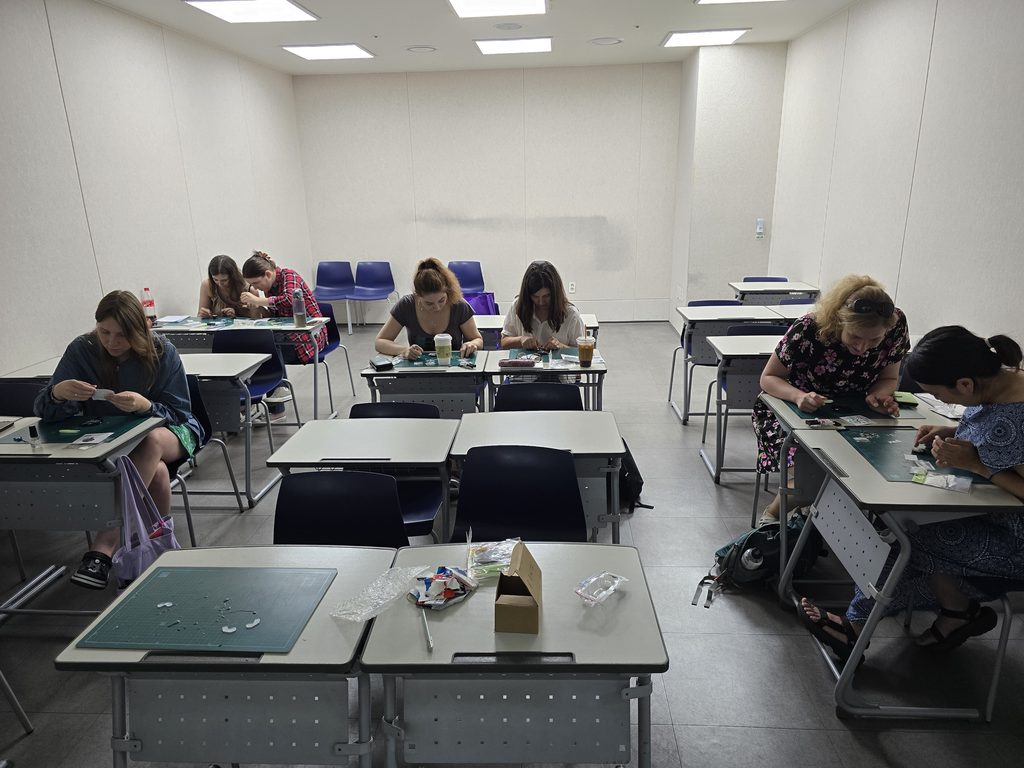
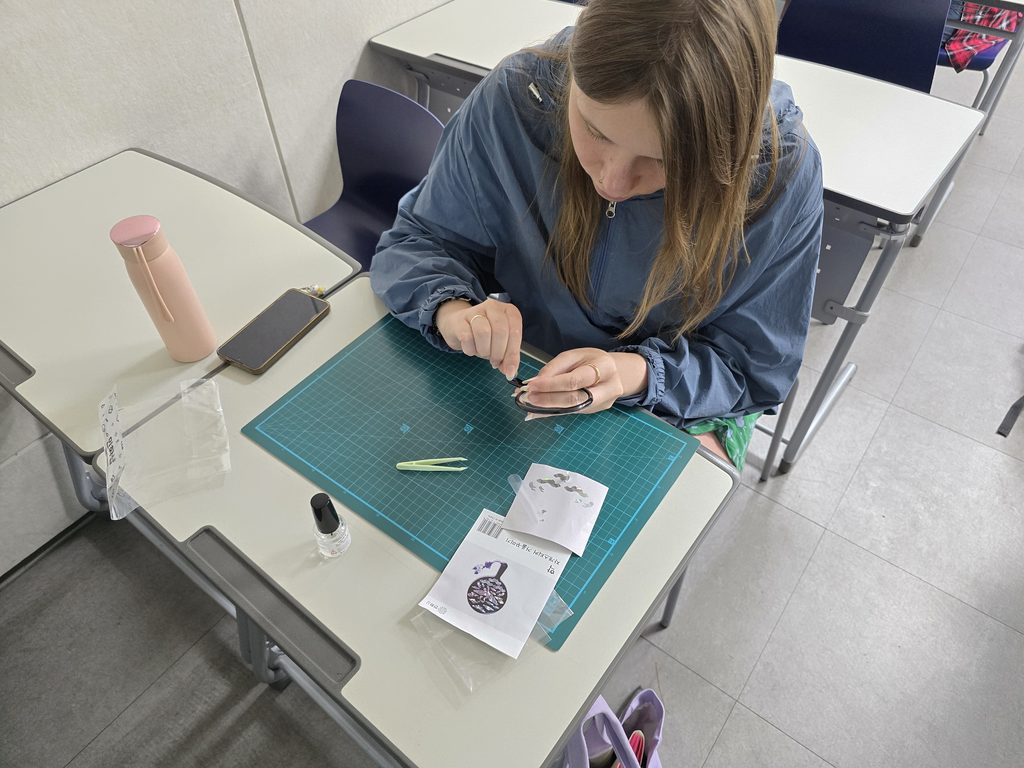
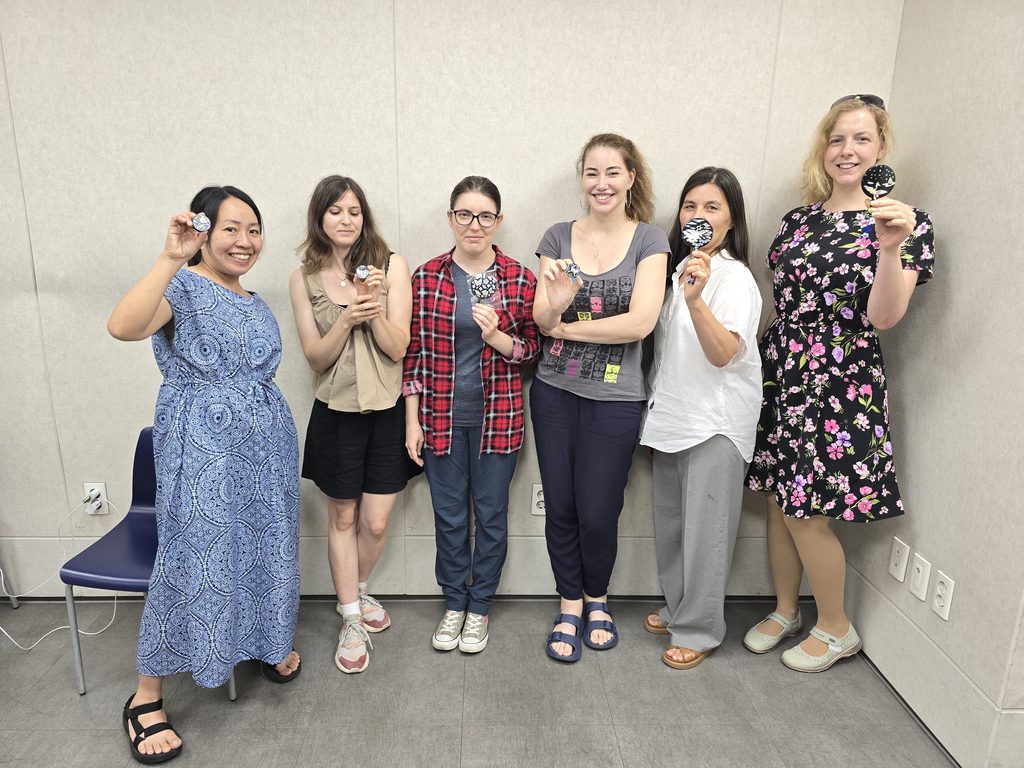
우리는 전통 자개는 아니지만 간단한 키트로 우리만의 그립톡을 만들었어요. 그립톡 말고도 거울을 준비해서 함께 자개 키트로 장식할 수 있게 했어요.
그립톡에 풀을 바르고 조심스럽게 자개를 붙이니 어느덧 멋진 그립톡이 완성됐어요. 멋진 그립톡을 스마트폰에 붙이고 다니면 좋겠죠?
========== English Translation ==========
Today, we made our very own mother-of-pearl phone grips!
Mother-of-pearl craft, known as najeon (나전), is a traditional Korean art that uses pieces of processed seashells to decorate various objects. Because the delicate, fragile pieces of mother-of-pearl have to be carefully shaped into beautiful designs such as flowers, cranes, and clouds and then meticulously attached by hand, najeon items have long been considered luxurious goods made for royalty and the aristocracy.
Even today, najeon is a highly labor-intensive craft. As a result, furniture such as jewelry boxes and cabinets decorated with mother-of-pearl can cost several million Korean won or more. Despite the time and effort involved, traditional crafts are gaining renewed attention these days. More and more people are learning najeon, and cafés and restaurants featuring mother-of-pearl decorations are becoming increasingly popular.
In particular, if you visit places like Seoul or Gyeongju, where you can find plenty of themed spaces and traditional Korean hanok houses, you can easily find cafés filled with beautiful mother-of-pearl decorations.
While we didn’t use traditional najeon pieces, we used a simple craft kit to make our own phone grips. We also prepared mirrors so that everyone could decorate them with the mother-of-pearl kit as well.
We applied glue to the phone grips and carefully placed the tiny pieces of mother-of-pearl one by one. Before we knew it, our beautiful phone grips were finished!
Wouldn’t it be fun to put your handmade phone grip on your smartphone and take it with you wherever you go?
오늘 잡클럽을 했어요. 잡클럽은 한국에서 일자리를 찾고자 하는 외국인들을 대상으로 하는 직업 탐구 활동이에요. 한국어 배워서 한국에서 직업을 찾고 싶은데 어디서 찾아야 할지, 어떻게 준비해야 할지 막막했다면 잡클럽을 들어 보세요.
잡클럽에서는 크게 세 가지 주요 활동을 해요.
첫째, 구직을 위한 웹사이트를 탐방해요. 한국인들이 자주 쓰는 웹사이트를 살펴보고 외국인들은 어떻게 이용할 수 있는지 함께 볼 수 있어요.
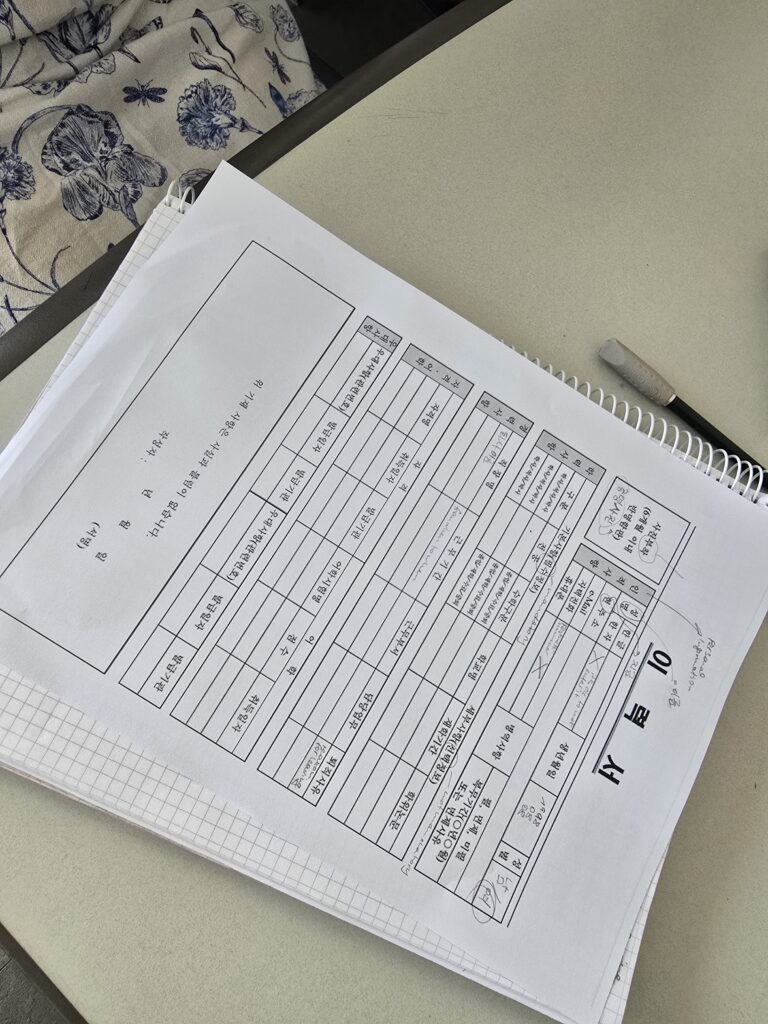
둘째, 이력서 작성을 연습해요. 이력서는 여러 정보를 적는 양식이기 때문에 말이 간결한 대신 한국 고유여보다 한자어가 중심이 돼서 외국인들에게 많이 어려울 수 있어요. 잡클럽에서는 선생님과 함께 중요 단어의 뜻을 배울 수 있어요.
셋째, 면접을 연습해요. 직업을 구하고 회사에 들어가려면 면접을 봐야 하는데 이때 어떤 말을 할지, 어떻게 옷을 입을지, 어떤 태도를 취해야 할지 배울 수 있어요.
당장 여러분이 한국에서 취직하려 하지 않아도 괜찮아요. 잡클럽을 먼저 듣고 한국어 실력을 연마해 차후 구직에 도전해 볼 수 있어요. 실제로 잡클럽도 듣고 한국어도 배운 학생 중 지금 한국에서 일하고 있는 학생이 있어요. 여러분도 그렇게 될 수 있어요. 한국에서 일하기는 더 이상 그저 꿈이 아닙니다!
========== English translation ==========
Today, we had a Job Club session. Job Club is a career exploration program designed for foreigners who want to find a job in Korea. If you’ve been learning Korean and hope to work in Korea but don’t know where to look for jobs or how to prepare, Job Club is a great place to start.
The program focuses on three main activities.
First, we explore job search websites. You’ll learn about the websites that Koreans commonly use to find jobs and discover how foreigners can use them effectively as well.
Second, we practice writing résumés. Korean résumés contain a lot of information, and while the wording is usually brief, they often use many Sino-Korean vocabulary terms that can be difficult for Korean learners. In Job Club, you’ll learn the meanings of these important words with the help of your instructor.
Third, we practice job interviews. Getting hired in Korea usually requires an interview. During Job Club, you’ll learn what to say during an interview, how to dress appropriately, and what kind of attitude and manners employers expect.
Even if you’re not planning to get a job in Korea right away, that’s perfectly fine. You can join Job Club first, continue improving your Korean, and apply for jobs when you’re ready. In fact, some of our former students attended Job Club, studied Korean, and are now working in Korea. You can achieve the same goal.
태권도의 기본 중의 기본인 ‘돌려차기’를 배웠어요. 먼저 누워서 돌려차기 자세를 배우고 또 혼자 차 보고, 친구와 함께 겨루기 연습도 했어요.
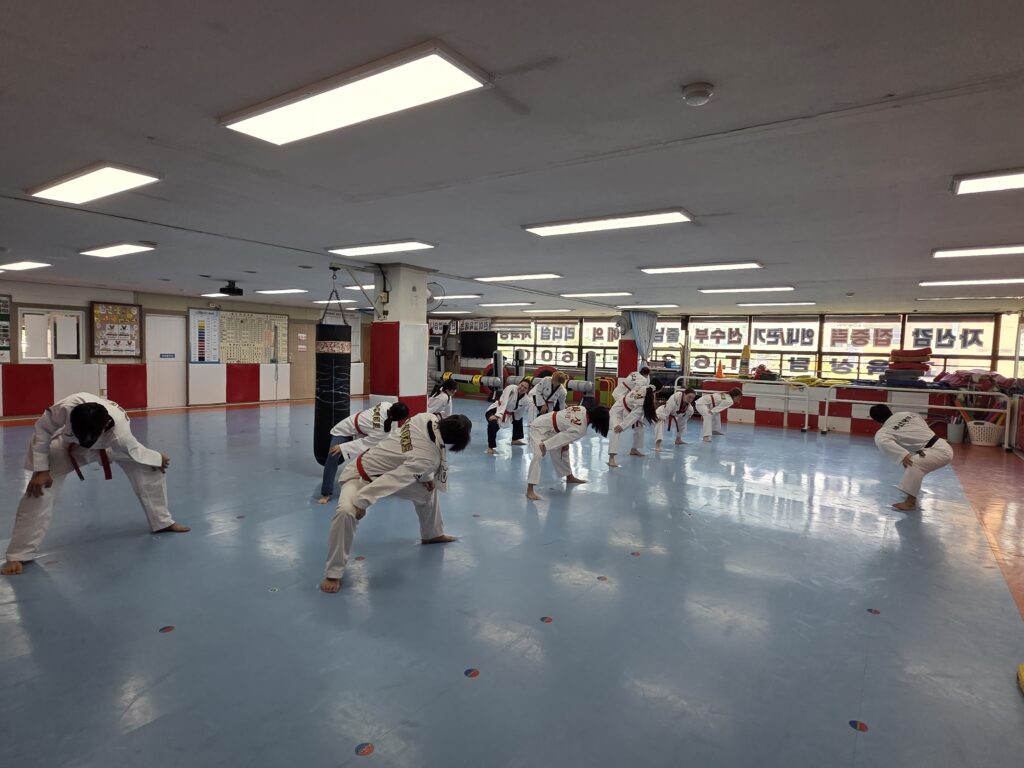
정말 신나는 시간이었어요! 열심히 운동한 후에는 마무리 스트레칭으로 몸을 풀어 줬어요! 재미있는 태권도 체험을 또 하고 싶네요!
Hi there! Today, I went to a Taekwondo trial session~ Don’t I look sharp in my dobok (uniform)?
Before starting Taekwondo, I warmed up by stretching to prevent any injuries.
I learned the ’roundhouse kick,’ which is one of the absolute basics of Taekwondo. First, I learned the proper form for the roundhouse kick while lying down, then I tried kicking on my own, and I even got to practice sparring with a friend.
It was such an exciting time! After a vigorous workout, I wound down with some concluding stretches! I really want to do a fun Taekwondo experience again!
먼저 광안리 해수욕장부터 들렀어요. 광안리 해수욕장은 부산에서 유명한 주요 해수욕장의 한 곳으로 해운대 해수욕장과 함께 부산의 탑2 해수욕장으로 지목되는 곳이에요. 매년 여름 수많은 사람이 들러서 수영도 하면서 피서를 즐깁니다.
광안리 해수욕장은 광안대교가 잘 보여서 인기가 많아요. 이 다리는 특히 밤에 LED 조명을 켜 놓기 때문에 운치가 있어요. 밤에 모래사장에 돗자리를 깔고 맛있는 음식을 먹으면서 바다를 바라보노라면 얼마나 좋은지 몰라요.
무더운 여름, 이곳에서 수영을 하면서 놀기도 좋아요. 기본적으로 모래로 된 해변이라 돌 때문에 다칠 위험이 거의 없어요. 다만 바다가 비교적 빨리 깊어지는 편이어서 안전선만 잘 지키면 노는 데 문제가 없답니다.
광안리 해수욕장을 둘러보고 좀 더 시원한 곳인 포디움 다이브 M으로 갔어요. 이곳은 광안리의 복합문화공간으로 가끔 전시회를 엽니다.
지하에는 서점이 있어서 책이나 가벼운 필기구와 같은 소품이나 기념품을 살 수 있어요.
우리는 여기서 각자 사고 싶은 물건을 샀습니다.
부산 광안리는 해운대와 가까워서 서로 오가기도 편해요. 해운대는 쇼핑이나 식도락을 즐기기에 조금 더 알맞고 광안리는 멋진 다리를 바라보며 해수욕을 즐기고 밤에 운치를 즐기기에 좋습니다. 어느 곳이건 매력이 넘치니 여러분도 이 여름이 가기 전에 꼭 가 보세요.
========== English translation ==========
Today, we visited Gwangalli Beach and Podium Dive M in Busan.
Our first stop was Gwangalli Beach. It is one of Busan’s most famous beaches and, together with Haeundae Beach, is considered one of the city’s top two beaches. Every summer, countless people come here to swim, relax, and escape the heat.
One of the reasons Gwangalli Beach is so popular is its spectacular view of the Gwangan Bridge. The bridge is especially beautiful at night when its LED lights are turned on, creating a wonderful atmosphere. Sitting on the sandy beach with a picnic mat, enjoying delicious food while looking out at the sea and the illuminated bridge, is truly one of the best ways to spend a summer evening.
On hot summer days, Gwangalli is also a great place to go swimming. The beach is covered with soft sand, so there is very little risk of getting hurt by rocks. The water becomes deep relatively quickly, but as long as you stay within the designated swimming area, you can enjoy the beach safely.
After exploring Gwangalli Beach, we headed to Podium Dive M, a cooler indoor destination nearby. It is a cultural complex in Gwangalli that occasionally hosts art exhibitions and other cultural events.
There is also a bookstore in the basement where you can buy books, stationery, souvenirs, and other small items.
We each picked out a few things we wanted and enjoyed shopping there.
Another great thing about Gwangalli is that it is very close to Haeundae, making it easy to visit both in one trip. Haeundae is a better choice if you enjoy shopping and trying a variety of restaurants, while Gwangalli is perfect for swimming, admiring the beautiful bridge, and soaking up the romantic nighttime atmosphere. Both places have their own unique charm, so be sure to visit them before summer comes to an end!
가장 먼저 간 곳은 입구에 있는 작은 박물관이었습니다. 작은 박물관에는 감천문화마을의 역사와 변화 과정을 보여 주는 사진과 생활용품, 다양한 전시물이 마련되어 있어 학생들이 마을에 대해 미리 이해하는 데 큰 도움이 되었습니다
더운 날씨였지만 골목길을 걸으며 알록달록한 집들과 BTS를 비롯한 다양한 벽화들을 구경하고, 곳곳에서 사진을 찍으며 감천문화마을의 분위기를 마음껏 즐겼습니다. 특히 전망대에서 풍경을 바라보며 감천문화마을만의 독특한 매력을 직접 느껴보았습니다.
감천문화마을에는 예쁜 기념품 가게들이 많아서 구경도 하고 사기도 했습니다. 이름을 적어서 주면 도장을 파 주는 곳에서 도장을 사기도 하고 인생 네 컷에서 다같이 사진을 찍기도 하고 독특한 음식을 먹어 보기도 했습니다.
학생들은 곳곳에 숨어 있는 포토존을 찾아 사진을 찍고, 서로의 사진을 찍어 주며 즐거운 추억을 만들었습니다.
골목을 걸으며 한국의 오래된 주거문화와 마을의 독특한 분위기를 직접 느껴 보았고, 마을 곳곳에 담긴 예술 작품과 이야기를 통해 문화와 역사가 일상 속에 자연스럽게 녹아 있다는 점을 새롭게 발견할 수 있었습니다. 이번 감천문화마을에서의 하루가 오래도록 기억에 남는 특별한 추억이 되기를 바랍니다.
Hello everyone!
Today, we visited Gamcheon Culture Village, one of Busan’s most famous cultural attractions.
Our first stop was the Small Museum at the entrance of the village. The museum displays photographs, household items, and various exhibits that tell the story of Gamcheon Culture Village and how it has changed over the years. It gave our students a great introduction to the village before we began exploring.
Although it was a very hot day, we enjoyed walking through the colorful alleyways, admiring the vibrant houses and murals, including the famous BTS mural. We stopped to take photos along the way and fully enjoyed the unique atmosphere of the village. From the observatory, we were able to take in the beautiful scenery and experience the special charm that makes Gamcheon Culture Village so unique.
The village is also full of lovely souvenir shops, so we spent some time browsing and shopping. Some students had personalized name stamps made with their names in Korean, while others enjoyed taking fun photo booth pictures together at a self-photo studio. We also had the chance to try some unique local snacks and drinks, making the experience even more memorable.
Throughout the day, students searched for hidden photo spots, took pictures together, and created wonderful memories. As we wandered through the narrow streets, we experienced the unique atmosphere of this historic hillside village and learned about Korea’s traditional residential culture. The artwork and stories found throughout the village helped us understand how history, culture, and everyday life come together in this special place.
We hope that this visit to Gamcheon Culture Village will remain a special and unforgettable memory for all of our students. We look forward to sharing more exciting cultural experiences together in the future!
빠른 박자에 맞춰 여러 동작이 있는 안무라 어려웠지만 열심히 따라했어요. 쉬는 시간에도 휴식 대신에 연습을 하는 학생들의 모습이 아주 열정적이었어요.
쉬는 시간을 반납하고 연습한 결과, 선생님과 한 사람처럼 춤을 추는 학생들의 모습을 볼 수 있었어요. 정말 멋있어요!
마지막으로 선생님과 안무 영상과 사진을 찍으며 수업을 마무리했습니다.
Hello! Today, we learned the choreography for ILLIT’s “It’s me,” which features fun and bouncy moves.
Before starting the class, we did plenty of stretching to warm up properly and prevent any injuries.
It was a challenging routine with many fast-paced moves, but everyone gave it their all and followed along diligently.
Even during breaks, the students showed amazing passion by practicing instead of resting.
Thanks to their hard work during those break times, they were able to dance in perfect sync with the instructor—looking just like a single person! It was truly impressive!
Finally, we wrapped up the class by taking photos and filming our choreography video with the teacher.
안녕하세요! 오늘은 요즘 SNS 댄스 챌린지 곡으로 유명한 CORTIS의 REDRED 안무를 배웠어요.
춤을 배우기 전에 음악에 맞춰 스트레칭을 하며 몸을 충분히 풀어줍니다. 처음에는 음악에 맞춰 몸을 푸는 것이 어색했지만 선생님이 스트레칭도 재미있게 가르쳐줘서 분위기가 점점 편해졌답니다.
동작 하나하나 열심히 배우는 모습이 아주 열정적이었습니다. 작은 박자 하나에도 움직임이 있는 안무라 조금 힘들었지만 웃음을 잃지 않으며 계속 연습했답니다.
한 사람처럼 움직이는 모습이 보이시나요? 정말 땀 뻘뻘 흘려가며 열정적으로 연습한 결과, 이렇게 멋진 장면을 볼 수 있었답니다. 마지막으로 안무에 나오는 포즈를 취하며 선생님과 사진을 촬영하며 이번 K-pop 댄스 수업을 마무리했습니다.
Hello! Today, we learned the choreography for “REDRED” by CORTIS, which is currently a viral sensation for social media dance challenges.
Before starting the main routine, we spent enough time warming up and stretching to the music. Although stretching to the beat felt a bit awkward initially, the instructor made it highly engaging, which helped create a comfortable and relaxed atmosphere.
The students showed incredible passion, dedicating themselves to learning every single movement. The choreography was quite intense, with specific moves hitting every micro-beat, but everyone kept practicing with bright smiles on their faces.
Can you see how beautifully synchronized they are? Moving as one, this amazing result is the reward of their passionate, sweat-filled practice.
Finally, we wrapped up this K-pop dance session by striking the main pose from the choreography and taking a memorable photo with our instructor.
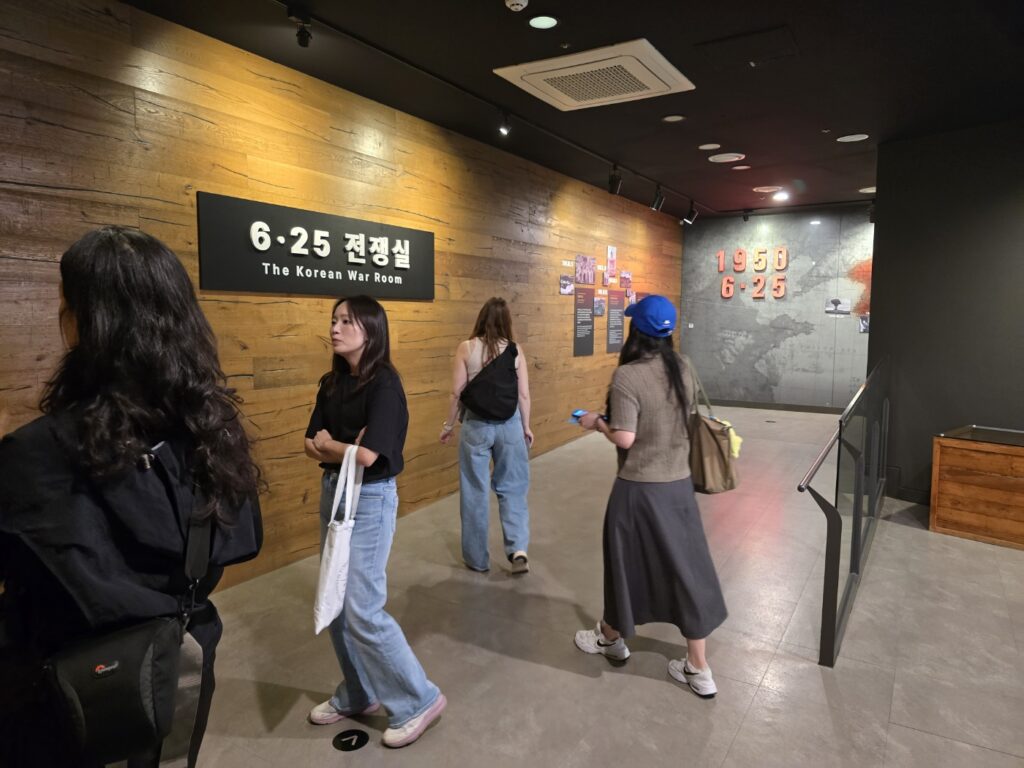
오늘 U.N. 평화기념관에 갔어요. 이곳은 U.N.이 특히 한국의 역사에서 어떤 위치에 있는지를 한국 전쟁이 있던 시기를 중심으로 살펴보는 곳이에요.
입구는 회색 톤으로 점잖게 돼 있어요. 역사적으로 중요한 순간들과 연관되어 있는 만큼 경건한 마음을 갖게 하기 위함인 것 같아요.
들어가면 제2차 세계대전 직후 한반도의 남북 분단부터 역사가 이어져요. 당시 국제 정세가 어땠는지, 그것이 한반도에 어떤 외적인 정치적 압력으로 작용했는지, 그 결과 한반도가 어떻게 되었는지 알 수 있어요. 설명이 한국어와 영어로 되어 있어서 둘 중 어느 한 언어를 할 줄 알면 충분히 읽고 이해할 수 있어요.
이 박물관에서 특히 중요하게 다뤄지는 것이 한국 전쟁이에요. 한국 역사상 U.N.과 가장 중요하게 연이 닿았던 때가 이때이기 때문입니다.
곳곳에 옛 모습을 재연한 레플리카고 있고 동영상 형식의 자료도 있어요.
당시에 참전했던 U.N.군과 관련한 통계 자료 및 군복도 소개돼 있어요.
한국 현대사의 시작이 이 시기인 만큼 특히 20세기 중반부터 21세기 전까지의 한국과 관련한 사항들 중 상당수가 이 시기와 직간접적으로 연관되어 있습니다. 그래서 한국과 인연이 있는 사람들에게는 자신들의 뿌리와 관련해 더 깊은 시간을 가질 수 있는 시간이었어요.
산을 깎아 만든 동네에 있는 박물관이라 올라오는 게 쉽지 않았지만 그래도 공기가 좋은 편이어서 쾌적하게 둘러보고 마칠 수 있었어요.
한국의 역사에 관심이 있다면 여기에 한 번쯤 와 보는 것도 좋겠죠? 여러분도 꼭 와 보세요!
========== English Translation ==========
Today, we visited the U.N. Peace Memorial Hall. This is a place where we can learn about the role of the U.N. in Korean history, with a particular focus on the period of the Korean War.
The entrance is designed in calm shades of gray. Since it is connected to historically significant moments, it seems intended to inspire a sense of solemnity.
Once we enter, the exhibition begins with the division of the Korean Peninsula into North and South immediately after World War II. We can learn what the international situation was like at the time, how it created external political pressure on the Korean Peninsula, and what the resulting consequences were. The explanations are provided in both Korean and English, so being able to read either language is enough to understand the exhibits.
The Korean War is given particular emphasis in this museum. This is because it was during this period that the U.N. had its most significant connection with Korean history.
Throughout the museum, there are replicas recreating scenes from the past, as well as video exhibits.
Statistical materials related to the U.N. forces that participated in the war, along with their military uniforms, are also on display.
Since this period marks the beginning of modern Korean history, many events related to Korea from the mid-20th century to the period before the 21st century are directly or indirectly connected to it. For that reason, it was a meaningful opportunity for people with ties to Korea to spend time reflecting more deeply on their own roots.
The museum is located in a neighborhood built on land carved out of a mountainside, so getting there was not easy. Still, the air was quite fresh, allowing us to enjoy the visit comfortably from beginning to end.
If you are interested in Korean history, it is definitely worth visiting at least once. We hope you will come and see it for yourself!