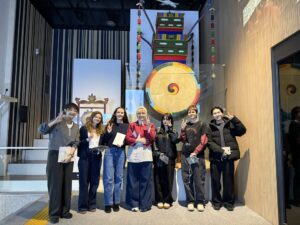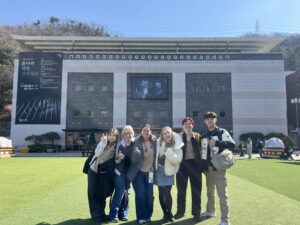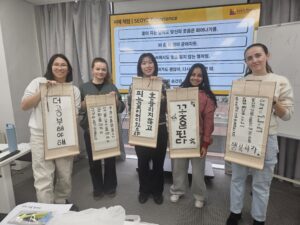
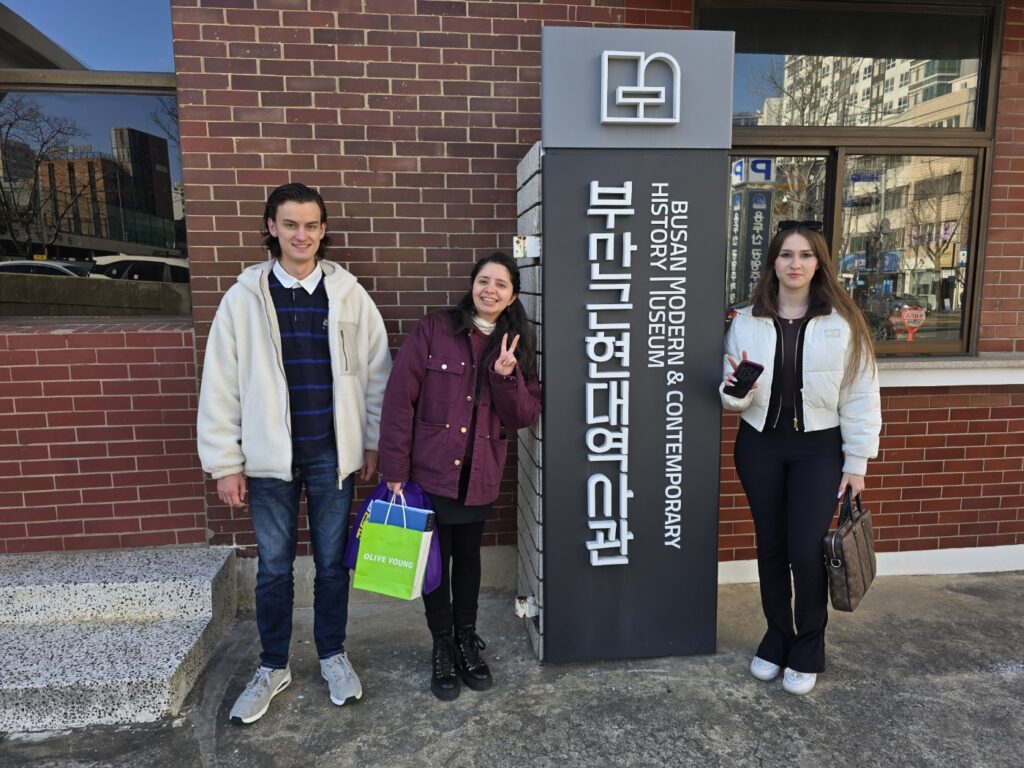
2026년 1월 16일, 렉시스코리아에서 부산근현대사박물관을 방문했어요. 이곳은 부산의 역사를 특히 전통 사회가 끝난 시점부터 살펴볼 수 있는 곳이에요.
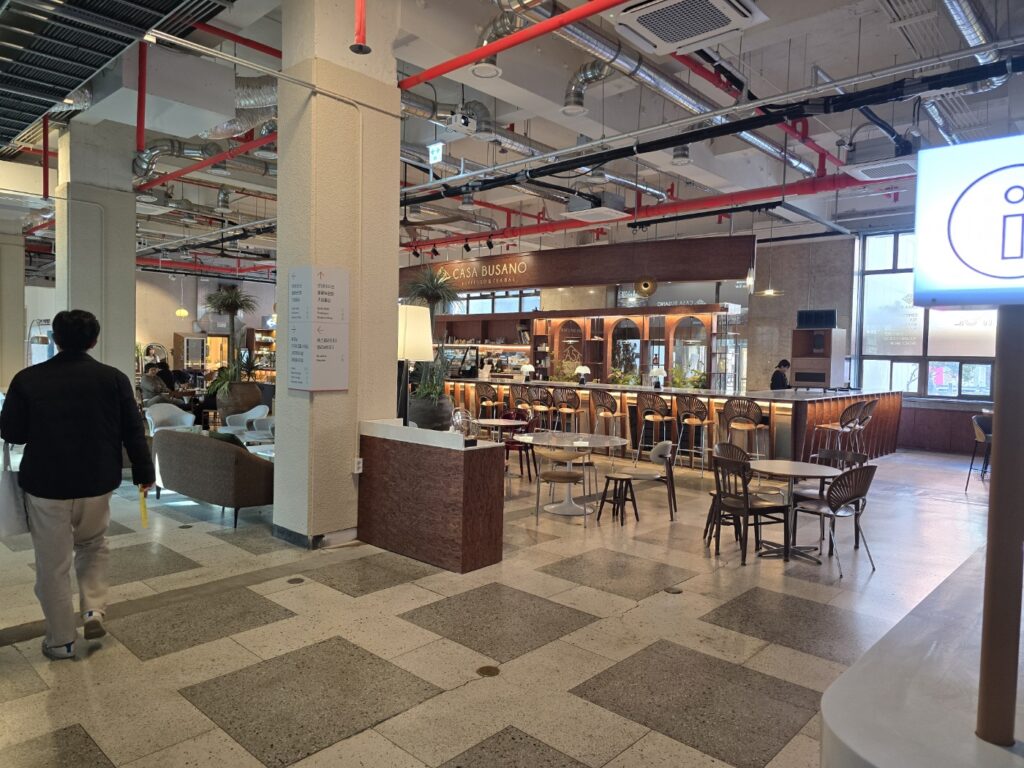
내부 1층에는 ‘Casa Busano’라는 이름의 프랜차이즈 카페도 있어요. 이름이 문법에 맞는 것 같지는 않지만 에스프레소를 중심으로 다루는, 한국에서는 비교적 보기 힘든 종류의 카페이고, 특히 부산의 브랜드이니 들르는 김에 커피 한 잔 하기 좋아요.
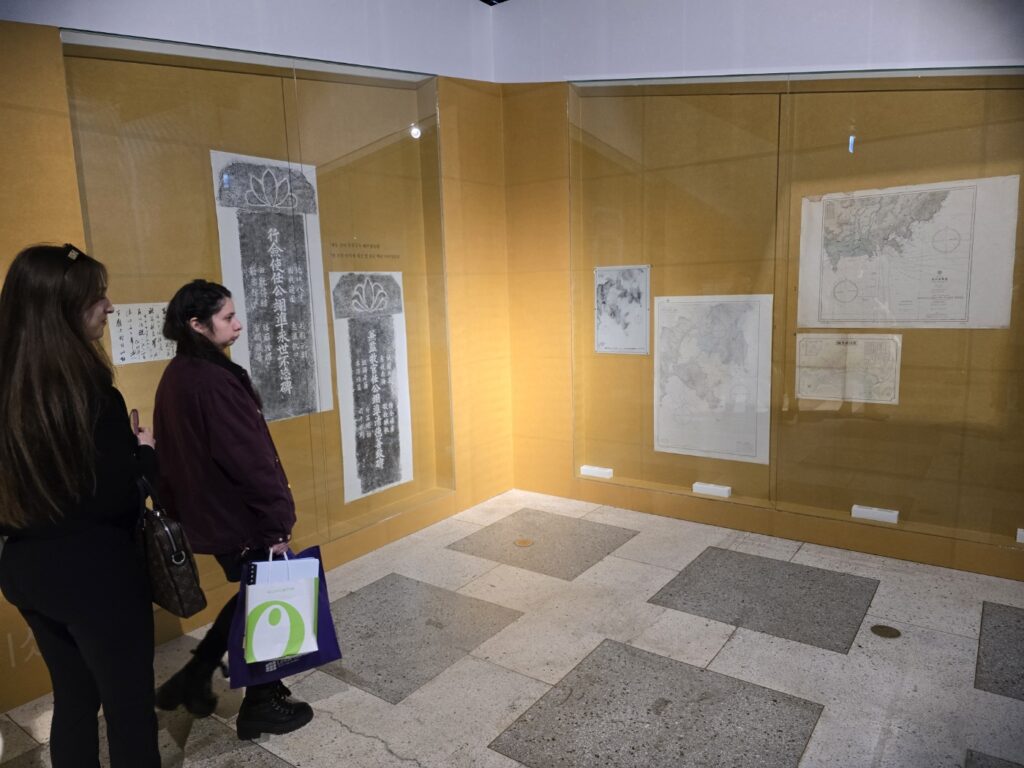
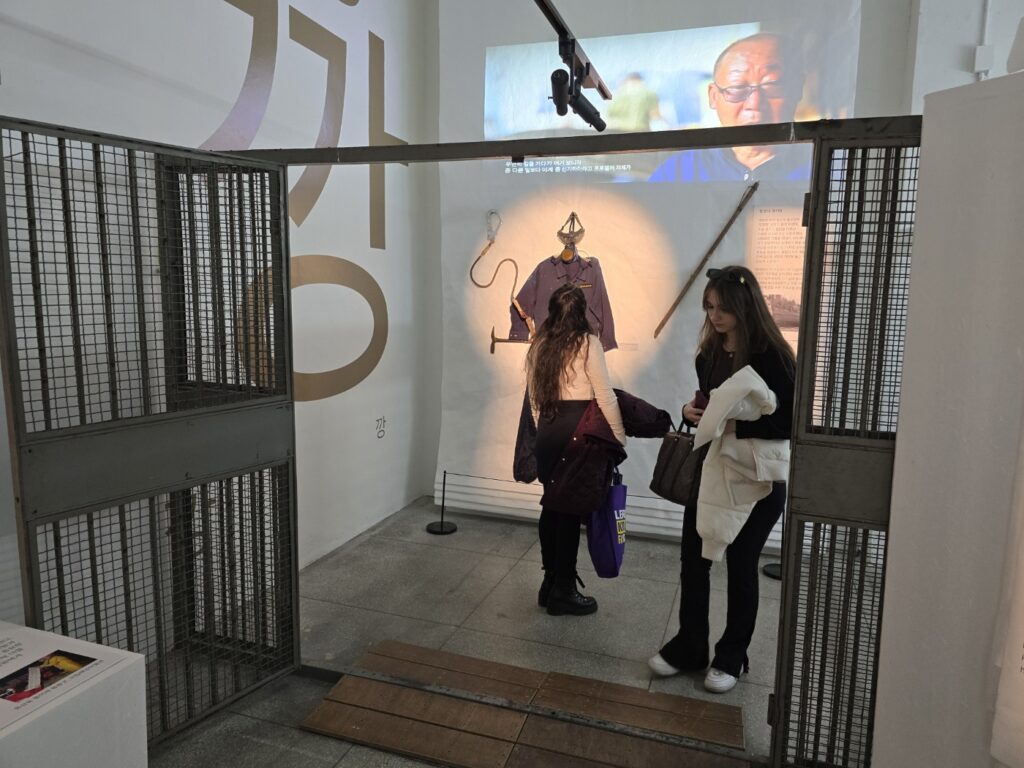
부산의 근대 시절 지도도 살피고 당시의 유물 사진도 봅니다. 깡깡이마을 등 부산의 일부 지역의 이야기도 함께 봐요. 깡깡이마을은 왜 깡깡이마을이라 불렸을까요?
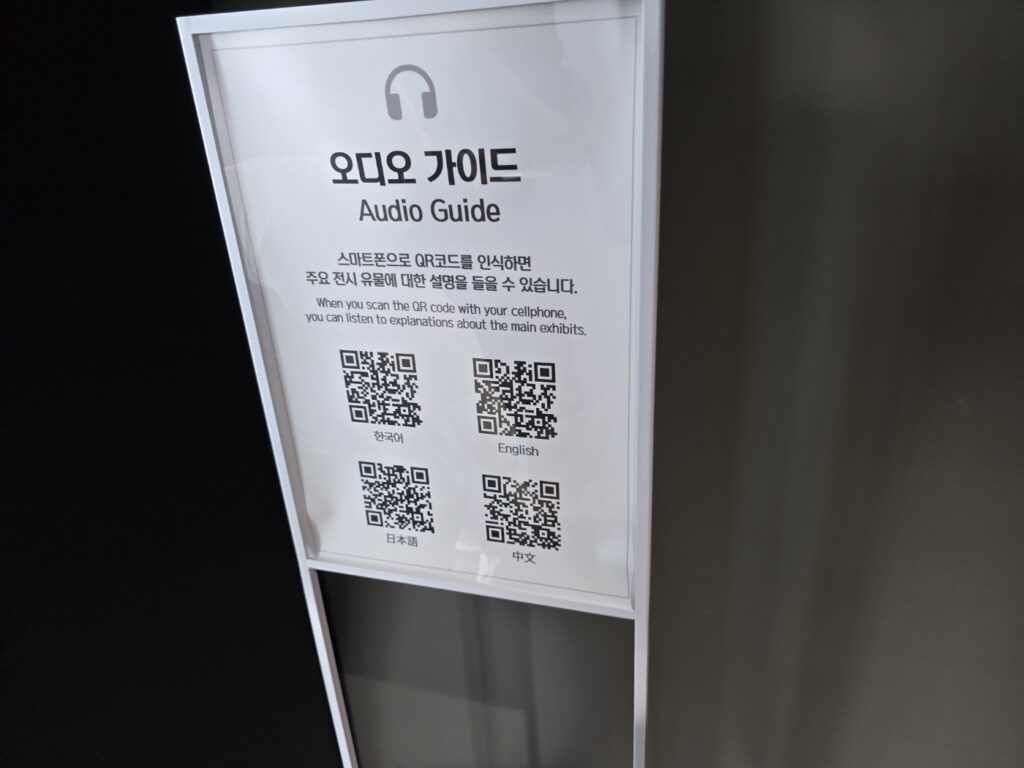
이곳 박물관은 한국어, 영어, 일본어, 중국어의 네 개 언어로 된 오디오 가이드를 제공합니다.
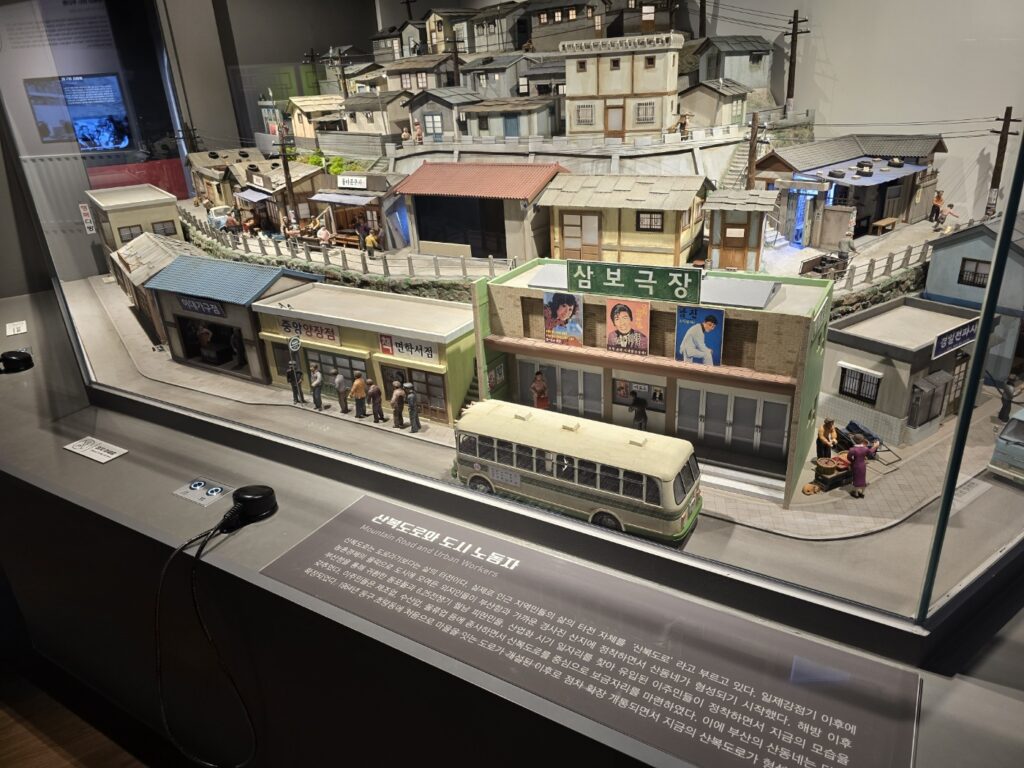
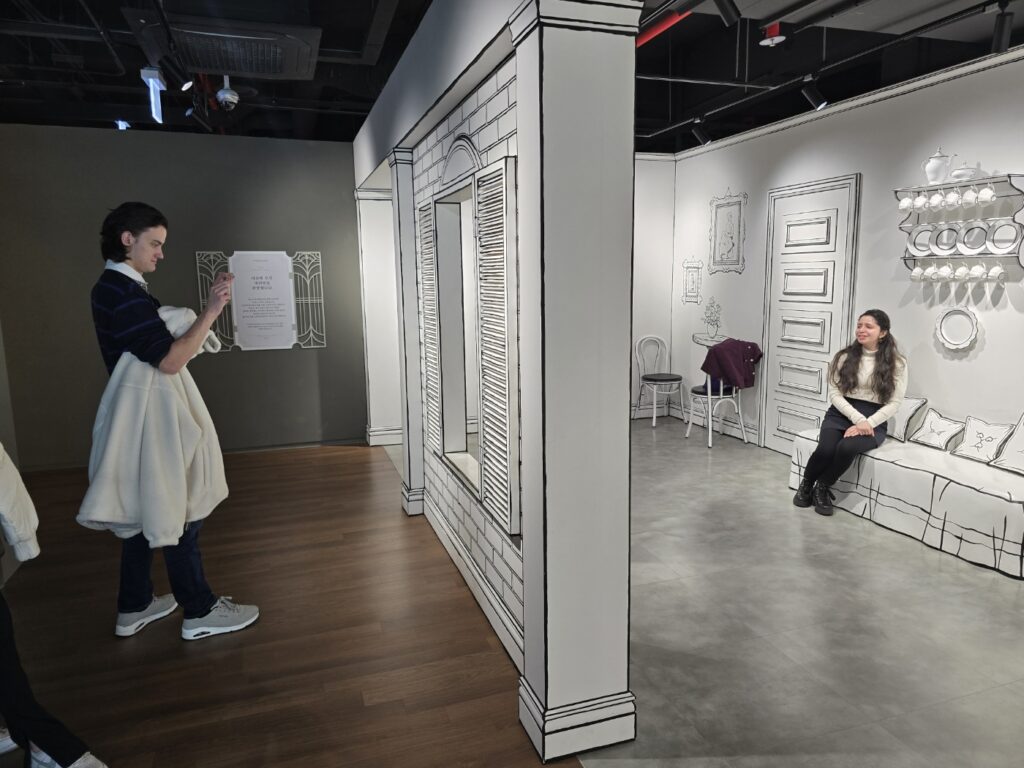
옛 부산의 흔적을 모형으로 만들어 놓은 것도 볼 수 있죠. 부산이 어떤 과정을 거쳐 20세기를 지나며 오늘날에 이르렀는지 알 수 있어요.
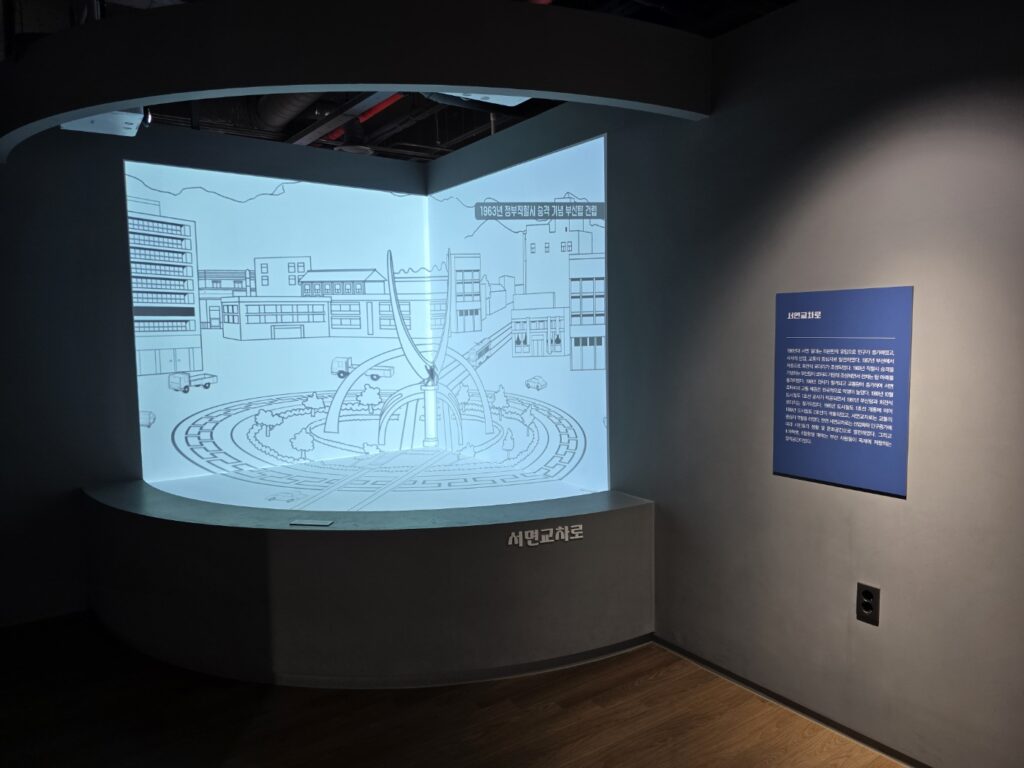
부산을 대표하는 곳 중 하나는 바로 서면이고, 그 서면의 중심에 서면교차로가 있어요. 서면교차로는 본래 서면 로터리였는데 이곳이 어떻게 지금과 같은 형태로 변모했는지도 살펴볼 수 있습니다.
<English translation>
On January 16, 2026, Lexis Korea visited the Busan Modern and Contemporary History Museum. This museum offers an in-depth look at the history of Busan, with a particular focus on the period beginning at the end of traditional Korean society.
On the first floor of the museum, there is a franchise café called Casa Busano. Although the name may not be grammatically conventional, it is a café that specializes in espresso-based coffee, a style that is relatively uncommon in Korea. As it is also a brand originating from Busan, it is a suitable place to stop for a cup of coffee while visiting the museum.
Visitors can examine maps of Busan from the modern era and view photographs of historical artifacts from that time. The museum also introduces stories from specific areas of Busan, including Kkang-Kkang Village. This raises an interesting question: why was it called Kkang-Kkang Village?
The museum provides audio guides in four languages: Korean, English, Japanese, and Chinese.
There are also scale models recreating scenes from old Busan, allowing visitors to understand the process through which the city passed through the 20th century and developed into its present form.
One of the areas that best represents Busan is Seomyeon, and at the center of Seomyeon is the Seomyeon Intersection. Originally known as the Seomyeon Rotary, the museum explains how this location transformed over time into its current form.