TAEKWONDO – 태권도

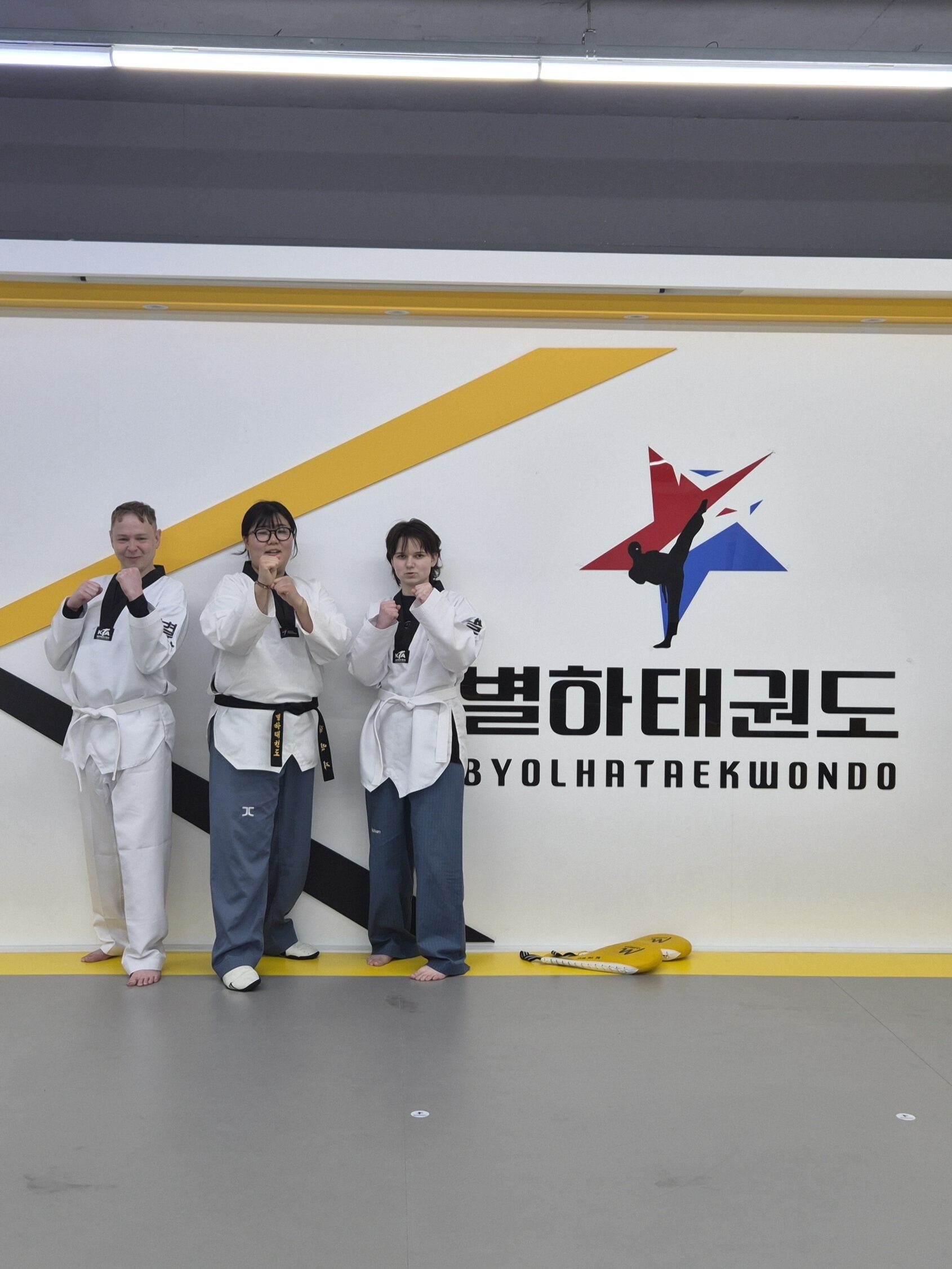
안녕하세요.오늘은 태권도의 기본 정신과 동작을 익히며 한국의 멋에 듬뿍 빠져보았습니다.
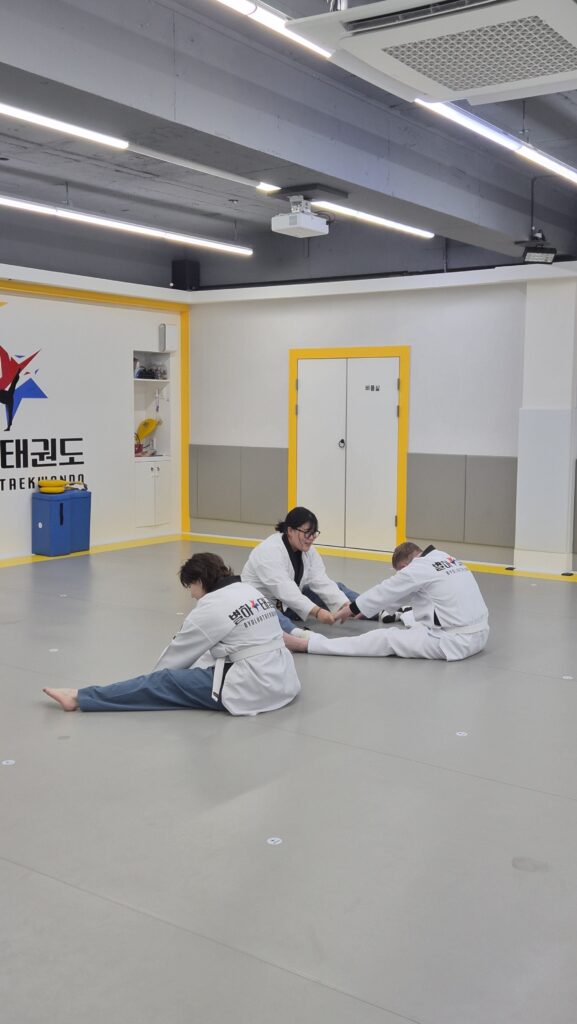
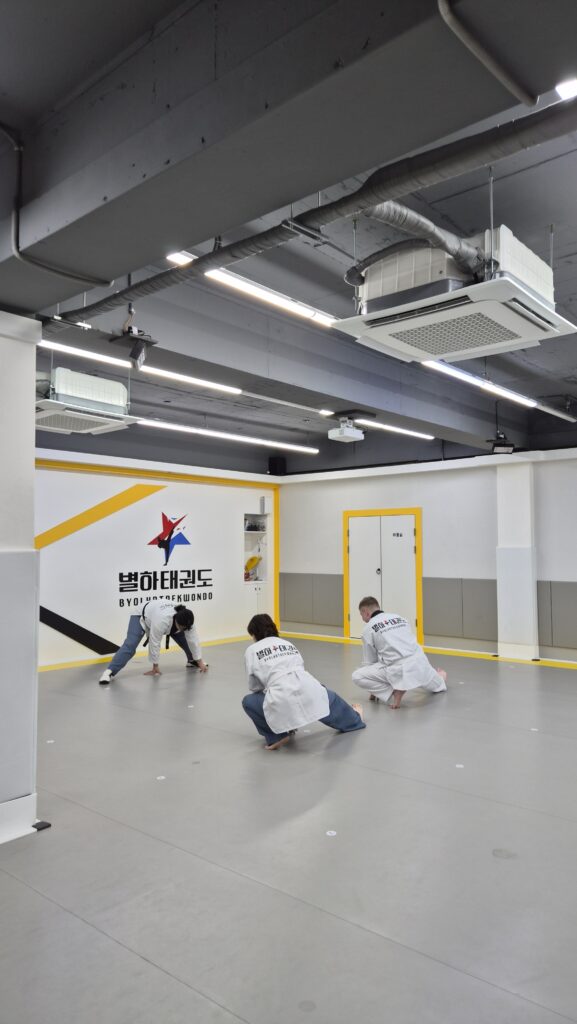
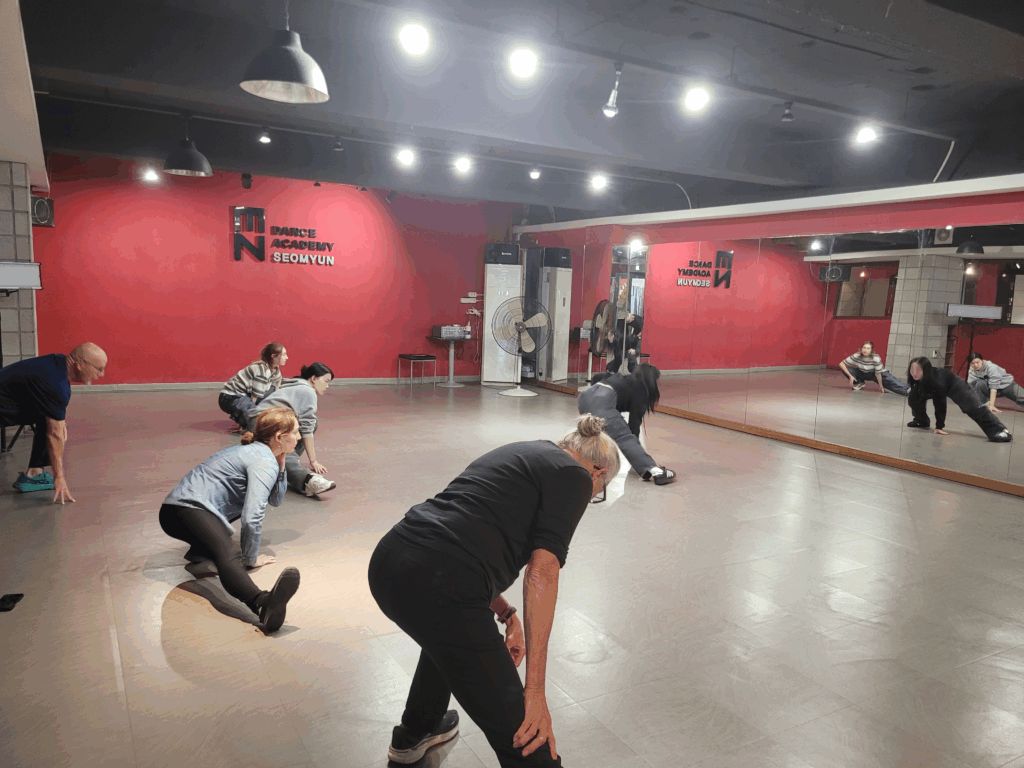
본격적으로 태권도를 배우기 전, 어깨-허리-다리까지 충분히 몸을 풀어줬어요. 열심히 다리를 뻗어 봤지만 결국 사범님의 도움을 받아 웃음을 자아냈답니다.

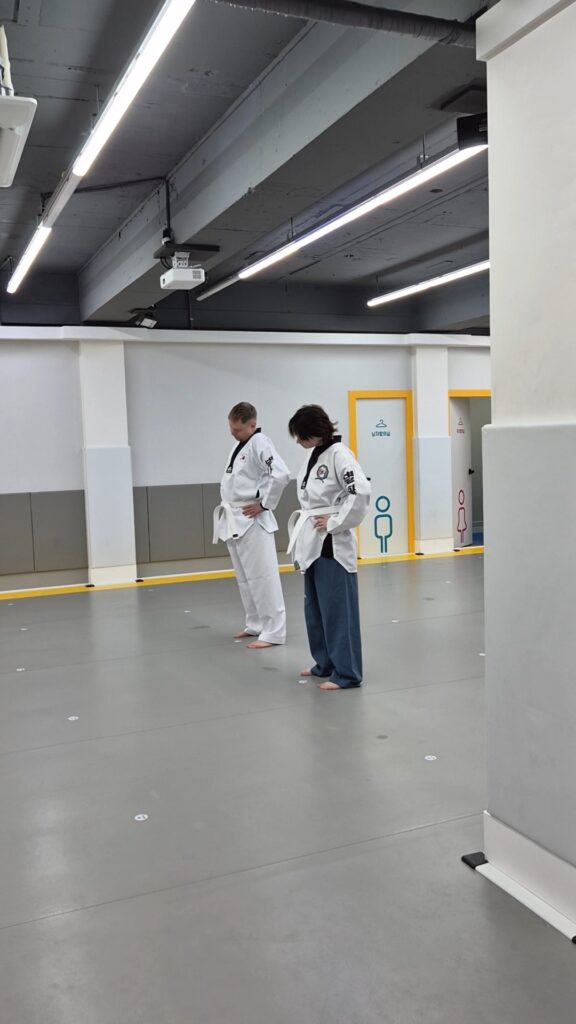
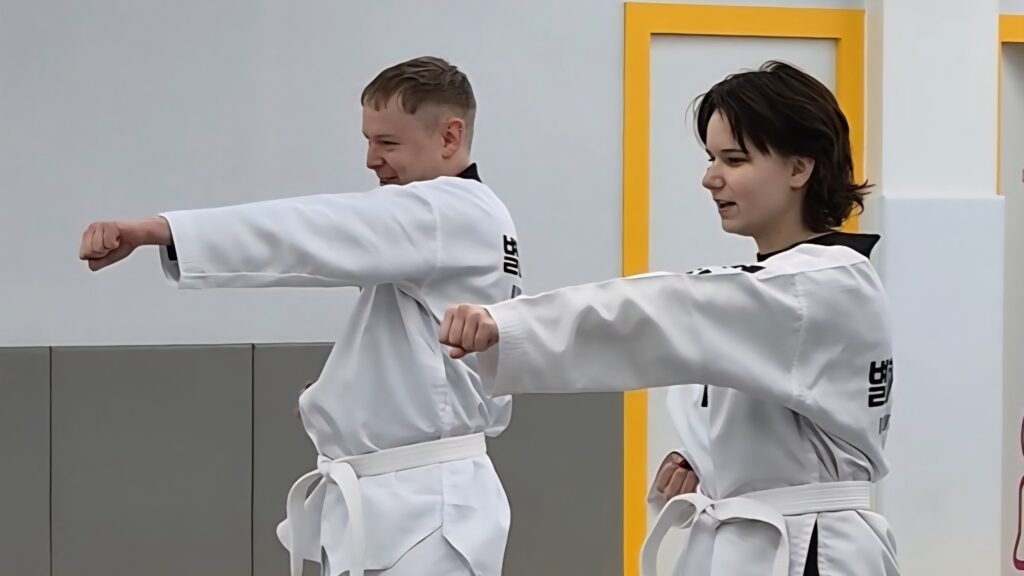
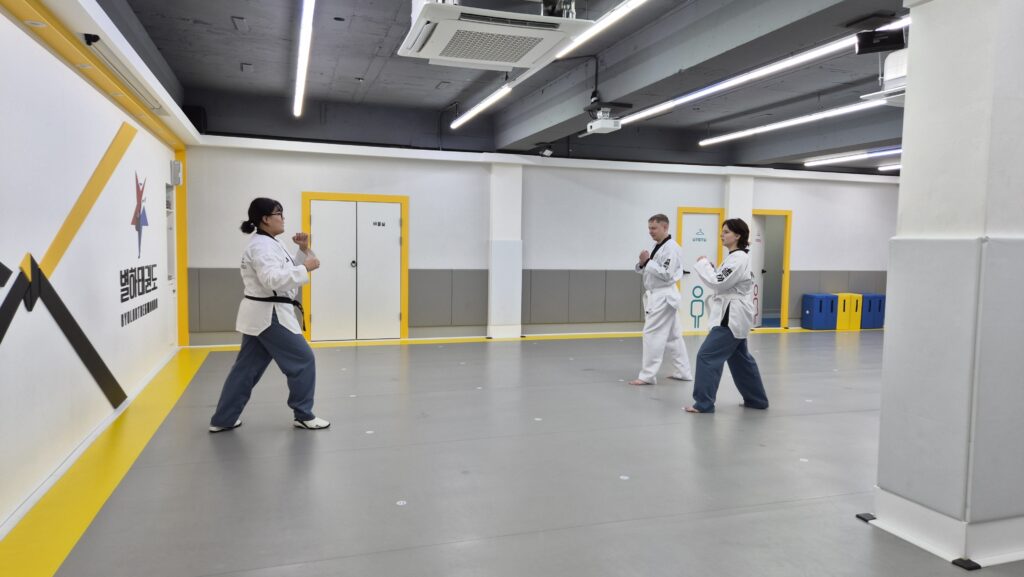
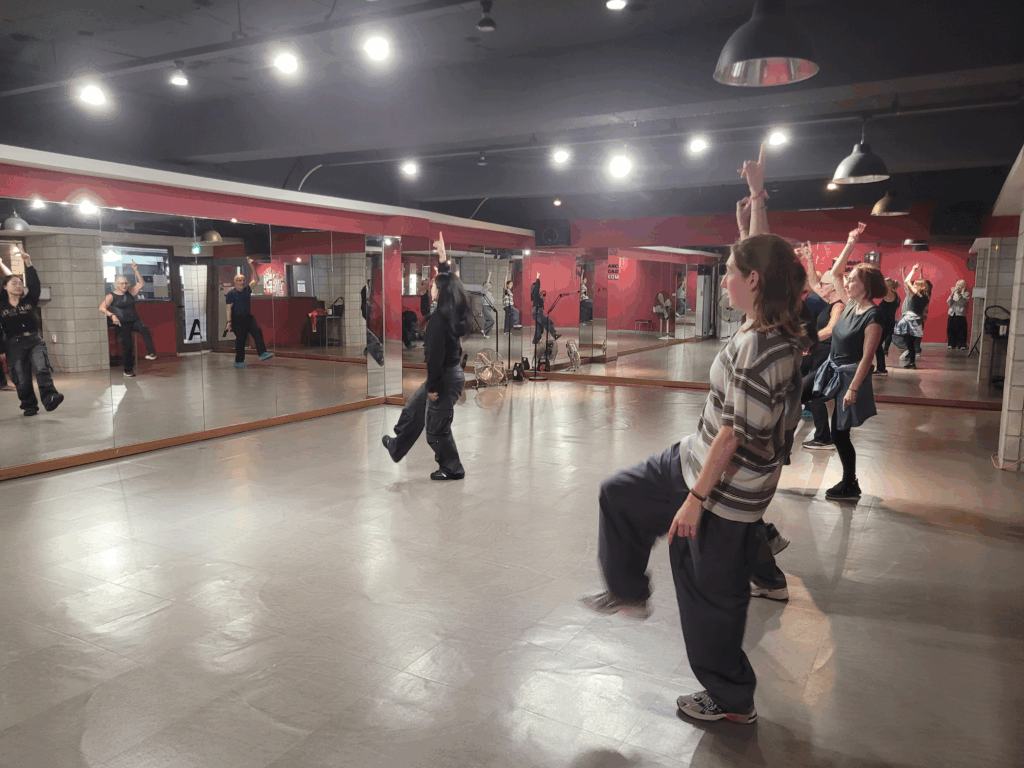
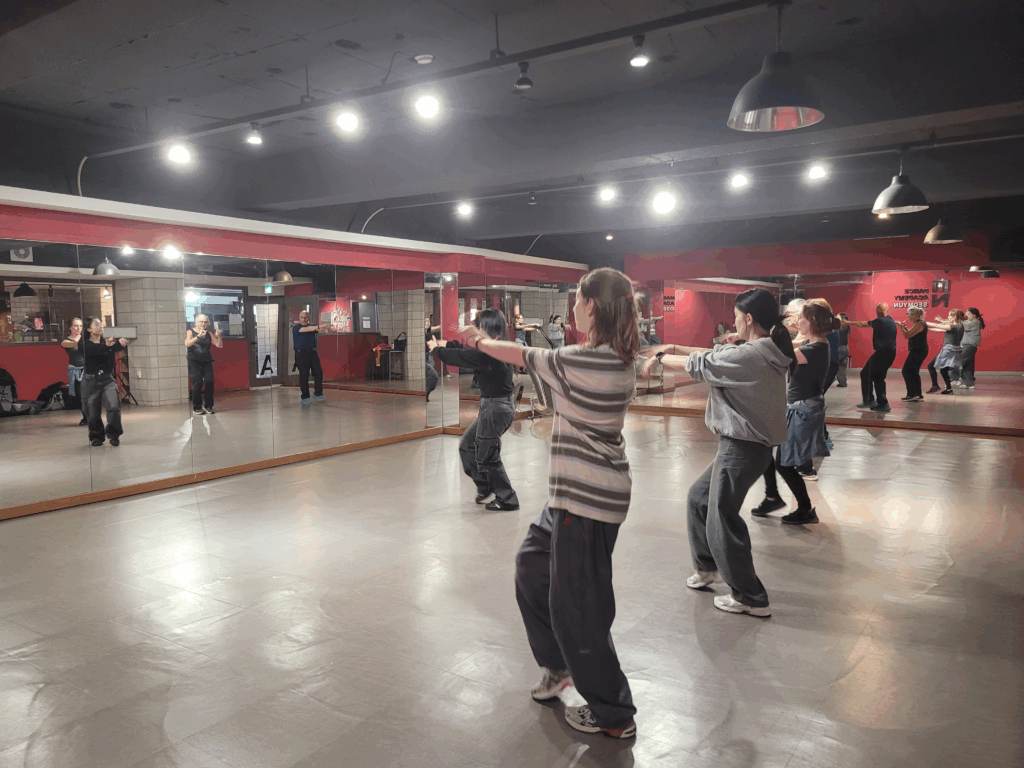
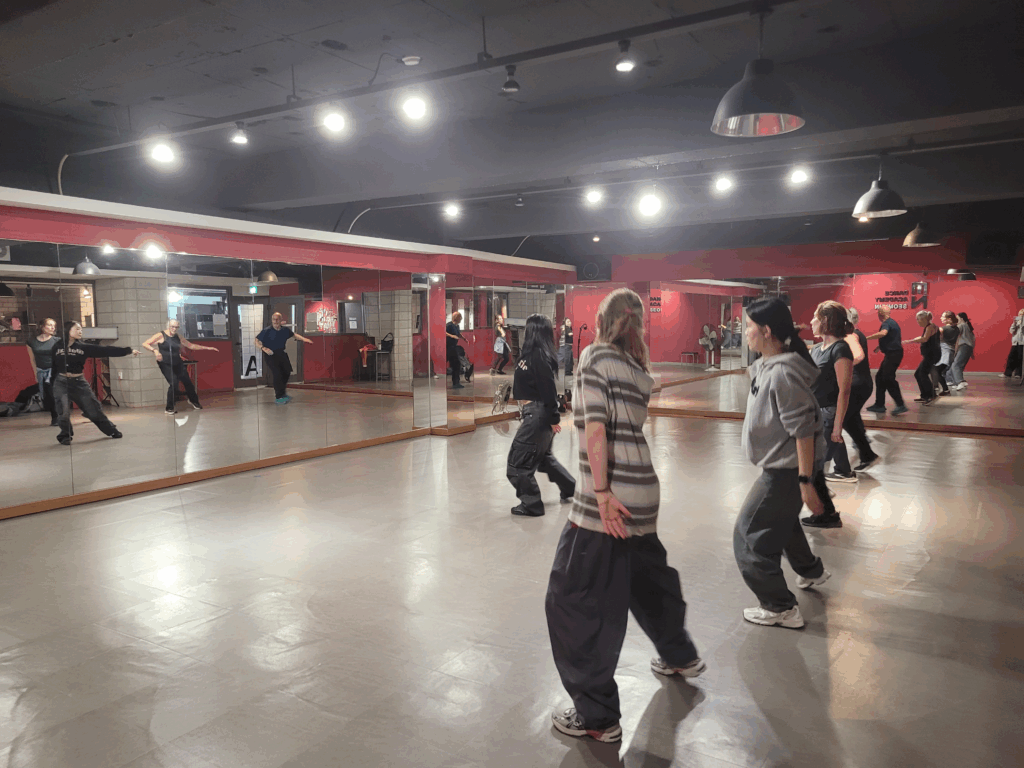
충분히 몸을 풀어준 다음, 기본 자세와 발차기를 배웠습니다. 처음에 큰 소리로 기합 넣는 것을 어색해 하는 것도 잠시 곧바로 몰입해서 힘차게 팔과 다리를 뻗는 학생들의 모습이 정말 멋있었답니다.

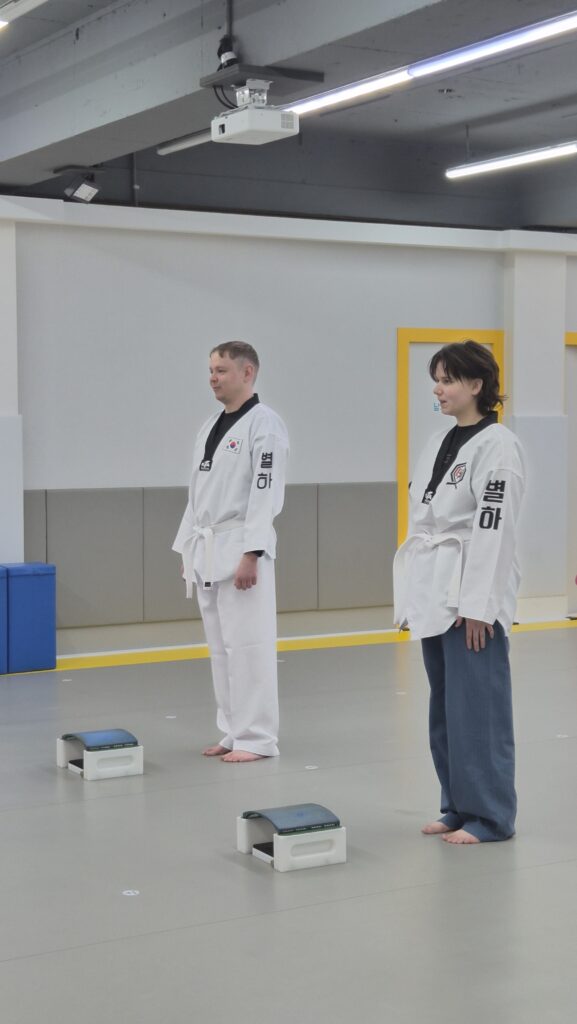
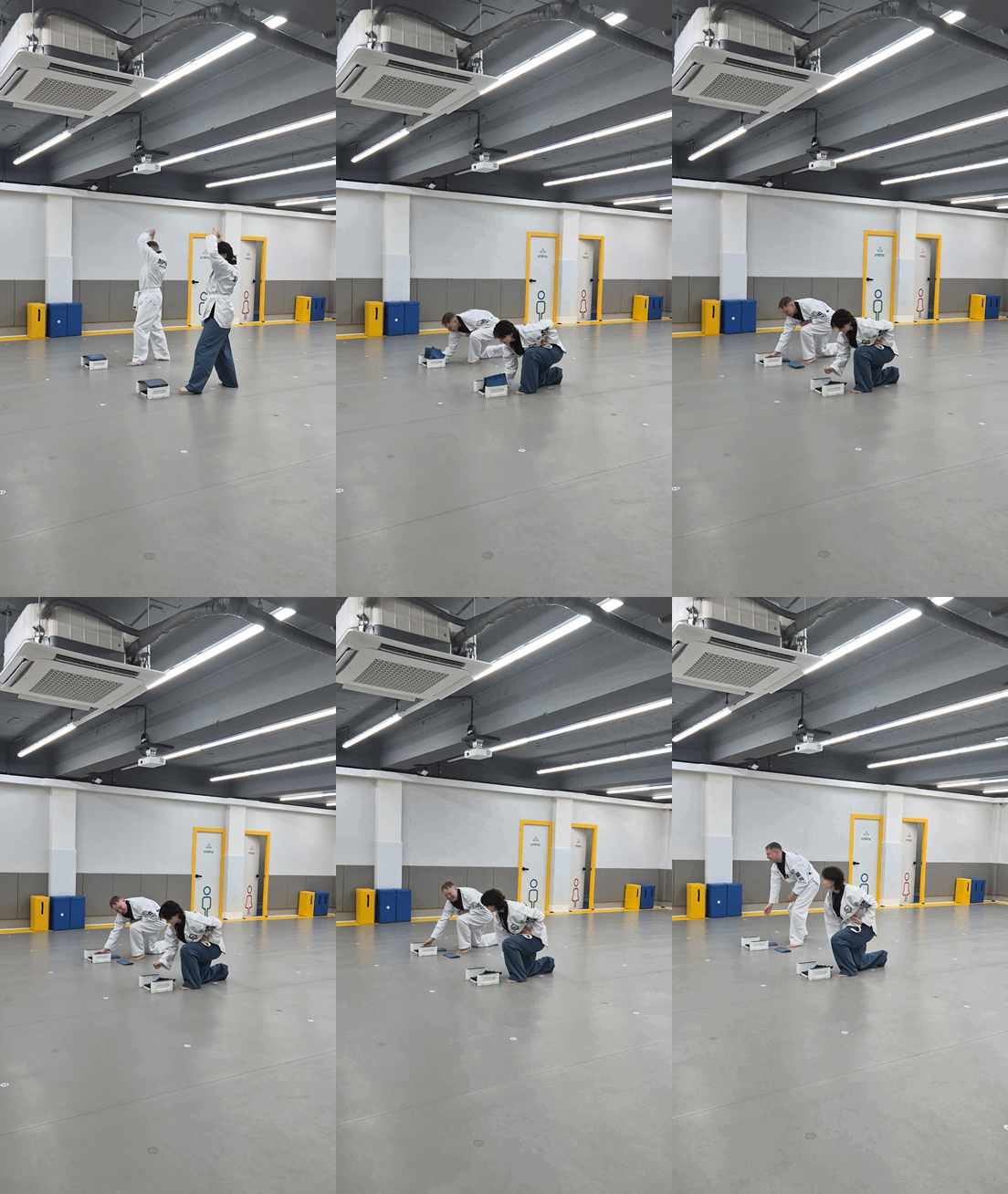
열심히 잘 따라와준 학생들에게 사범님께서 특별한 기회를 선물해 주셨는데요. 바로 태권도의 끝, ‘격파’입니다.
태권도 수업을 듣기 전에, 멋진 격파 영상들을 보고 온 학생들은 아주 기대했답니다.

멋지게 격파를 성공하고 오늘 태권도 수업을 마무리했습니다.
한국어 수업만큼 중요한 것이 바로 우리 문화를 직접 체험하며 이해하는 것이죠.
오늘 태권도 수업을 통해 학생들이 아주 즐거운 시간을 보냈길 바랍니다.


Hello, everyone! Today, we fully immersed ourselves in the beauty of Korea by learning the fundamental spirit and movements of Taekwondo.

Before diving into the actual training, we took plenty of time to warm up, stretching everything from our shoulders and waists to our legs. Some students tried their best to stretch their legs out wide, but ultimately needed a little “push” from the Master, which brought a lot of laughter to the room.

Once we were warmed up, we moved on to basic stances and kicks. At first, the students felt a bit shy about shouting out loud (Gihap), but that didn’t last long. They soon became fully engaged, looking incredibly sharp as they powerfully extended their arms and legs.

As a reward for their hard work, the Master gave the students a special opportunity: the highlight of Taekwondo, “Board Breaking” (Gyeokpa). Having watched impressive videos of board breaking before the class, the students were buzzing with excitement. After successfully snapping the boards with style, we wrapped up today’s session.

We believe that experiencing and understanding Korean culture firsthand is just as important as learning the language itself. We hope all the students had a fantastic and memorable time through today’s Taekwondo class!

MAKING A NEW YEAR CARD – 연하장 만들기

안녕하세요!

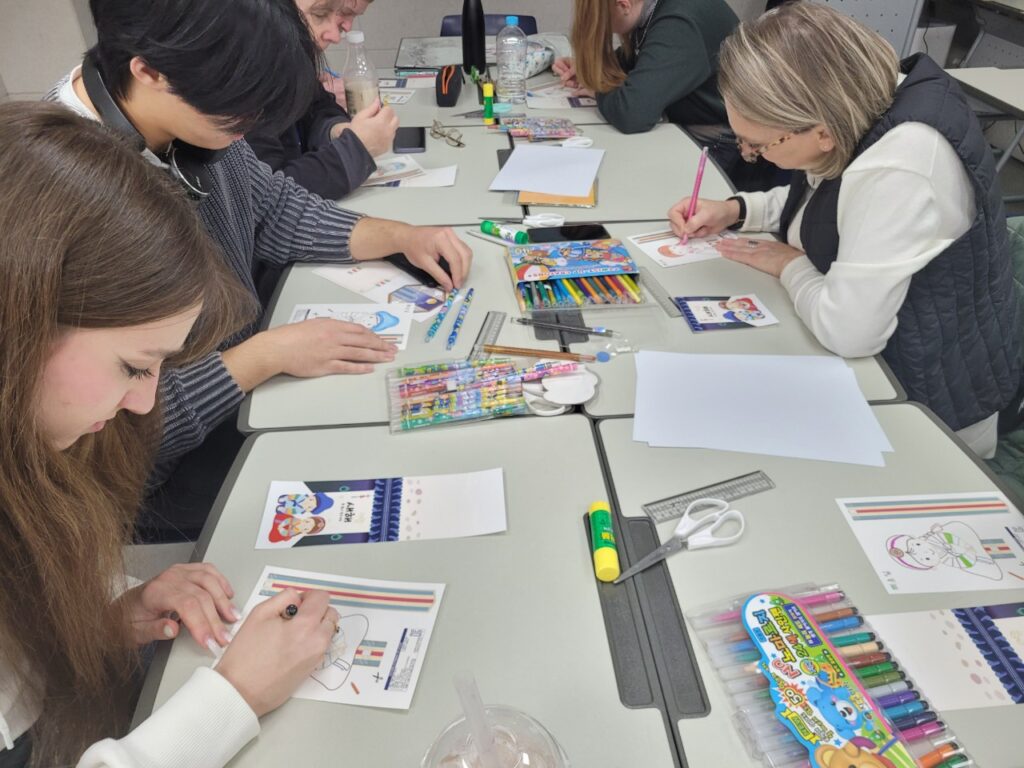
오늘은 렉시스에서 연하장을 만들었어요.

연하장은 새해를 맞이하여 덕담을 쓴 감사 카드를 말해요.

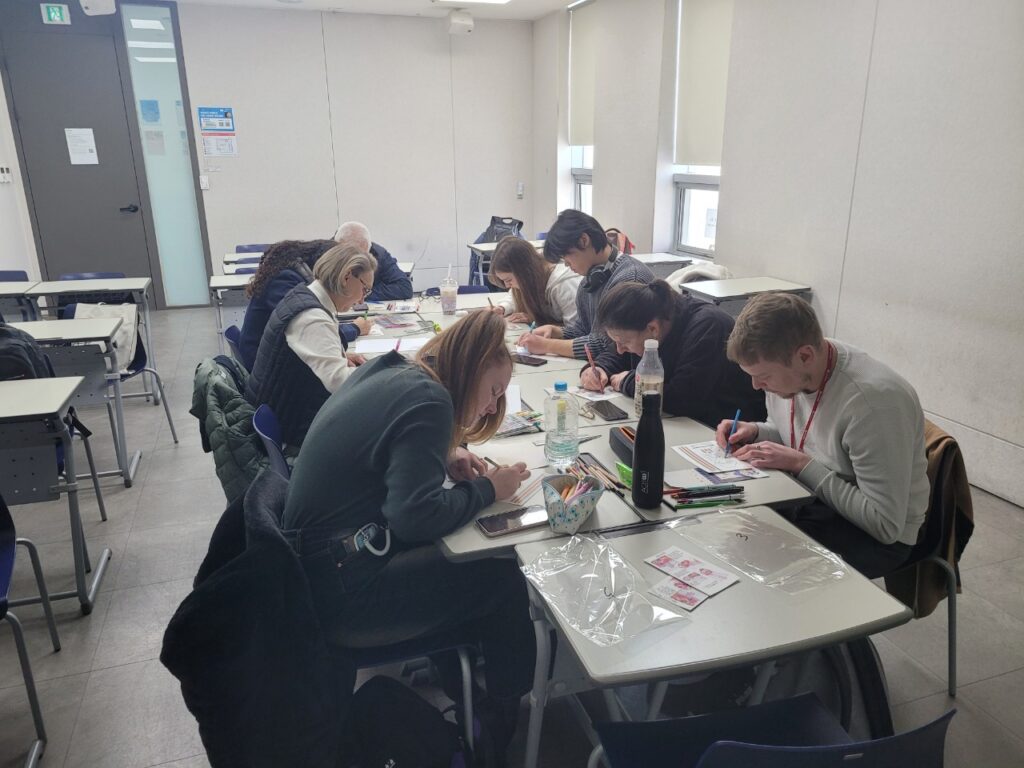
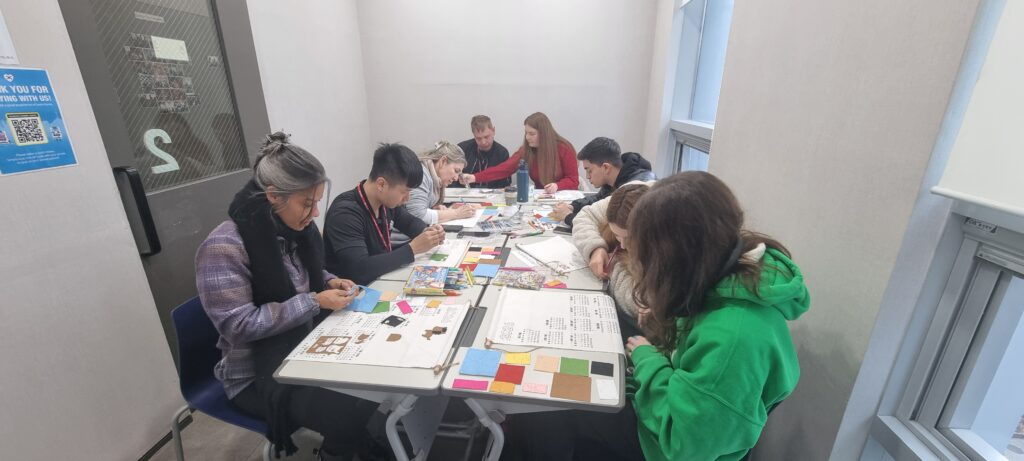
학생들이 모여 앉아 나만의 연하장을 만들고 있어요.

나만의 연하장을 알록달록 색칠하며 완성해 나갔어요.

또, 새해 덕담에 대해 알아 보고 카드에 메시지도 남겼어요.

여러분들도 새해복 많이 받으세요!

Today at Lexis, we made New Year’s cards. A New Year’s card is a thank-you card with well-wishing messages to celebrate the New Year. The students sat together and created their own cards, coloring them in bright, colorful ways as they completed them. We also learned about New Year’s greetings and wrote messages on the cards. Wishing everyone a happy New Year!

Korean traditional games-한국 전통 놀이

안녕하세요! 새해를 맞이해서 학생들과 함께 한국 전통 놀이를 해보았습니다.

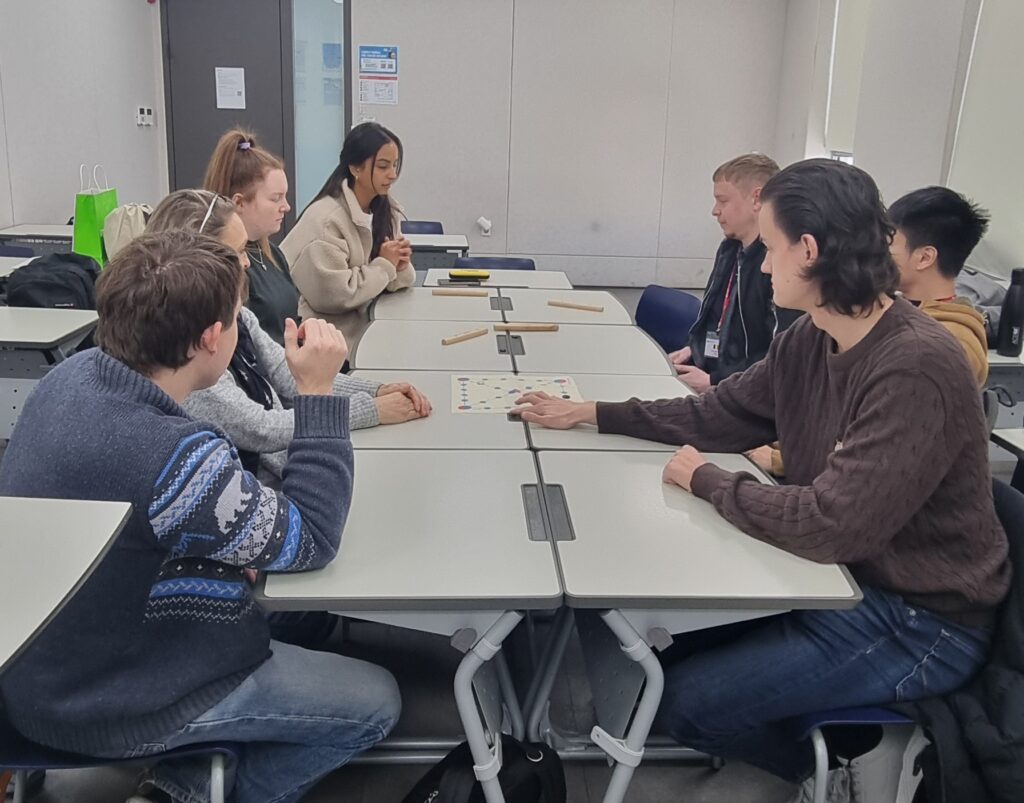
먼저 윷놀이에 대한 이야기를 나누었습니다. 도, 개, 걸, 윷, 모 가 나타내는 동물들을 알아보았습니다. 그리고 윷놀이 명칭들을 함께 살펴보았습니다. 그런 후에 윷놀이 놀이 방법을 알아보고 두 팀으로 나누어서 윷놀이를 했습니다. 처음에는 놀이 규칙이 헷갈리기도 했지만 엎치락뒤치락 하며 규칙에 익숙해진 학생들이 더욱 재미있게 놀이를 했습니다.

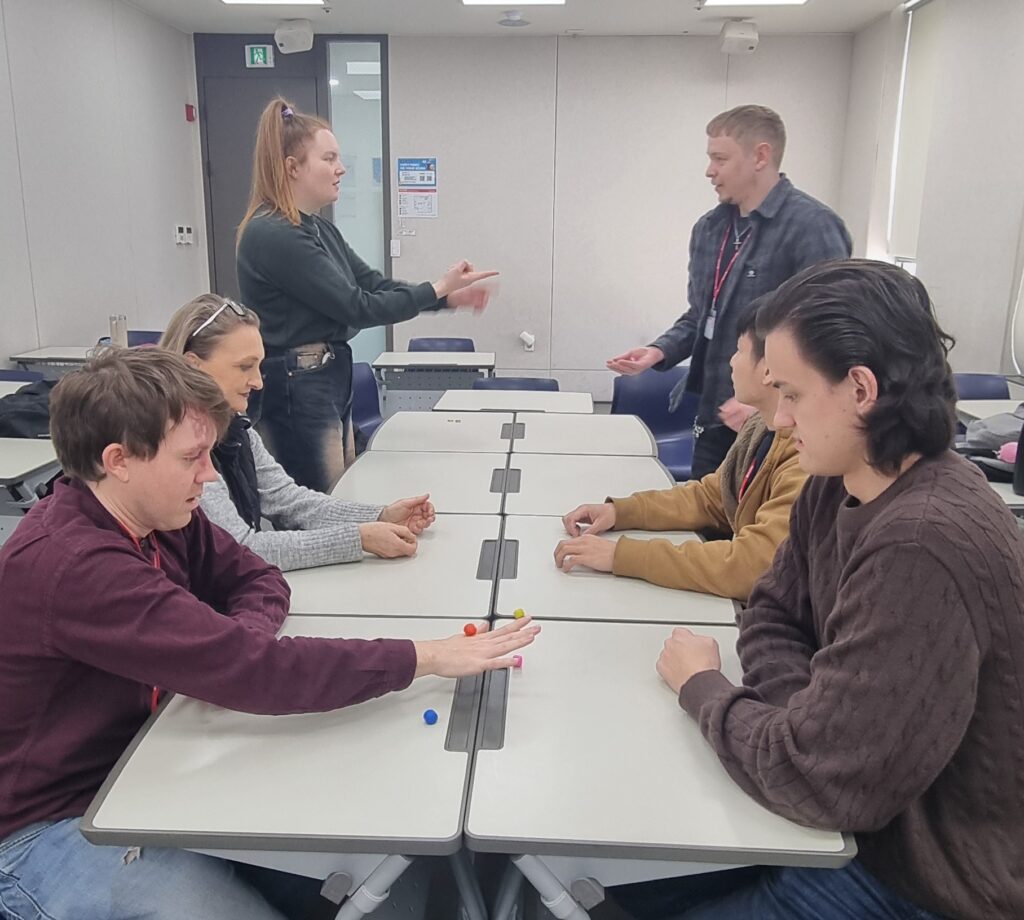
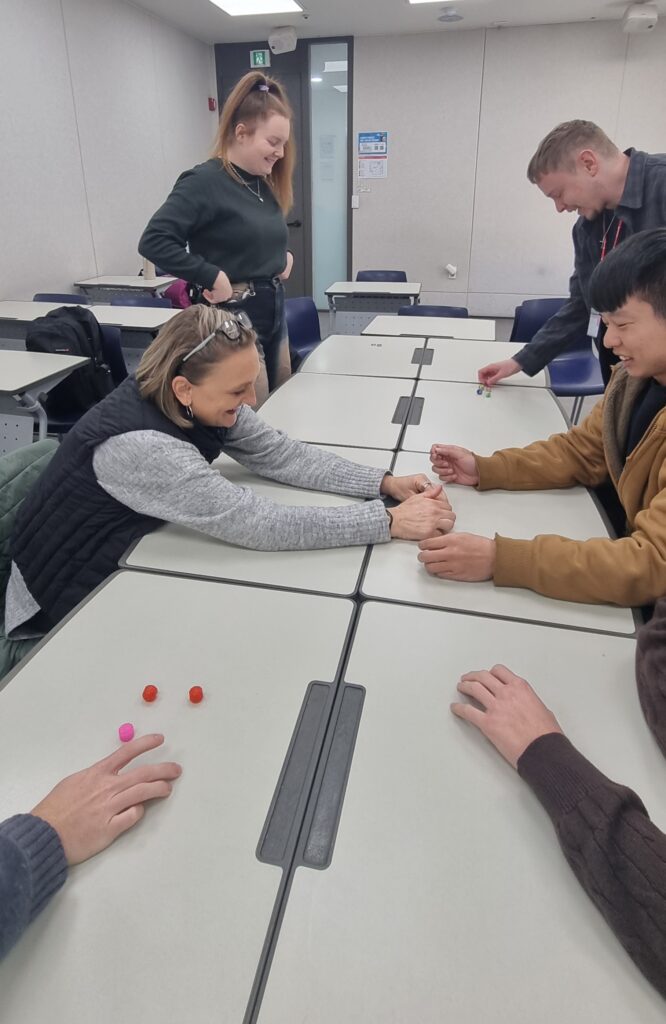
다음으로 공기 놀이를 했습니다. 영화 ‘오징어 게임’ 에서 봐서 알고 있다는 학생들은 많았지만 막상 해보니 보기보다 쉽지 않다고 했습니다. 책상 위에 있는 공기들을 하나씩 던졌다가 받는 것도 힘들었지만 손등 위에 공기들을 받았다가 다시 허공에서 받는 것은 더 어려워했습니다. 하지만 시간이 갈수록 공기놀이 4단계도 해내고 손등 위에서 받기도 성공하는 학생들이 몇 명 생겼습니다. 모두 아이로 돌아간 듯 즐거워하면서 열심히 연습했습니다. 마지막에 소감을 나눌 때 공기 놀이를 사서 집에서 연습해보겠다는 학생도 있었습니다.

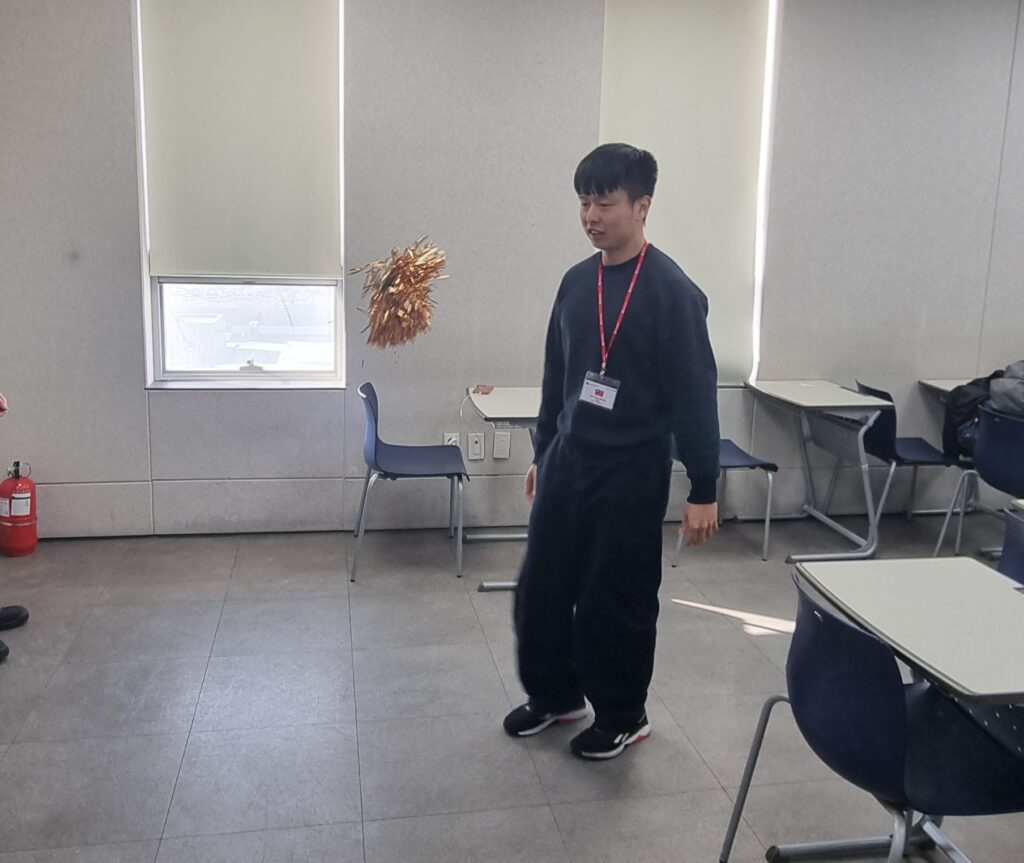
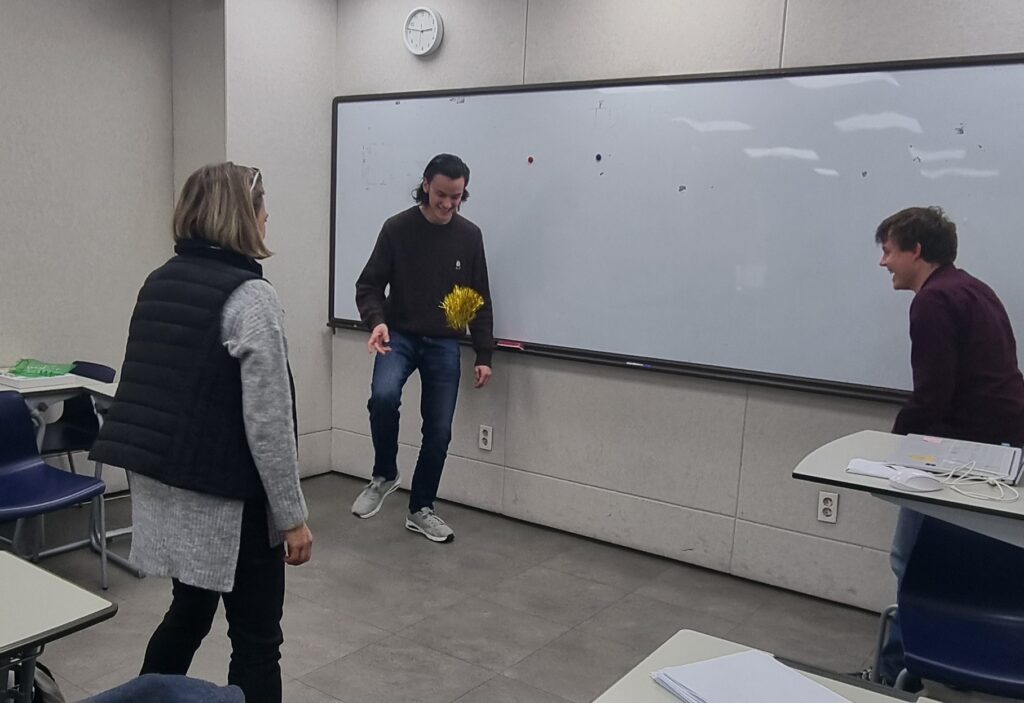
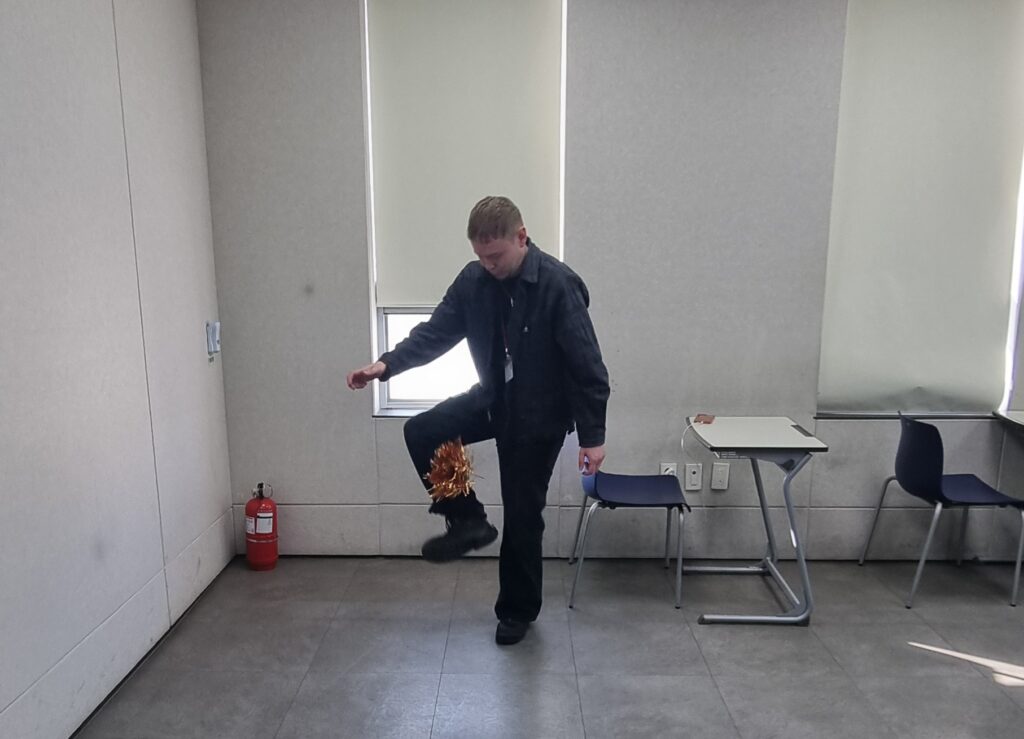
마지막으로 제기 차기를 했습니다. 계속 앉아서 하다가 일어나서 하니 더욱 재미있었습니다. 두 팀으로 나눠서 서로 연습하다가 일대일로 경기를 했습니다. 승패와 상관없이 팀을 응원하면서 즐거운 시간을 가졌습니다.

Hello!
To welcome the New Year, we spent a fun and meaningful time enjoying traditional Korean games together with our students.

We started by talking about Yutnori. The students learned about the animals represented by Do, Gae, Geol, Yut, and Mo, and we looked over the names and meanings used in the game. After learning the rules, we divided into two teams and played Yutnori together. At first, the rules felt a bit confusing, but as the game went back and forth, the students quickly became more familiar with them and began to enjoy the game even more.

Next, we played Gonggi. Many students recognized the game from the movie Squid Game, but once they tried it themselves, they realized it was not as easy as it looked. Tossing and catching the stones one by one on the desk was already challenging, and catching them on the back of the hand and then again in the air was even harder. However, as time went on, a few students successfully completed level four and managed to catch the stones on the back of their hands. Everyone practiced enthusiastically, laughing and enjoying the game as if they had become children again. During the reflection time, one student even said they wanted to buy a Gonggi set and practice at home.

Lastly, we played Jegichagi. After spending most of the time sitting down, standing up to play made it even more exciting. We divided into two teams to practice and then played one-on-one matches. Regardless of winning or losing, everyone cheered for their teammates and shared a joyful and energetic time together.

It was a wonderful way to welcome the New Year, filled with laughter, movement, and the joy of experiencing Korean traditional culture together.

Making a New Year calendar-새해 달력 만들기

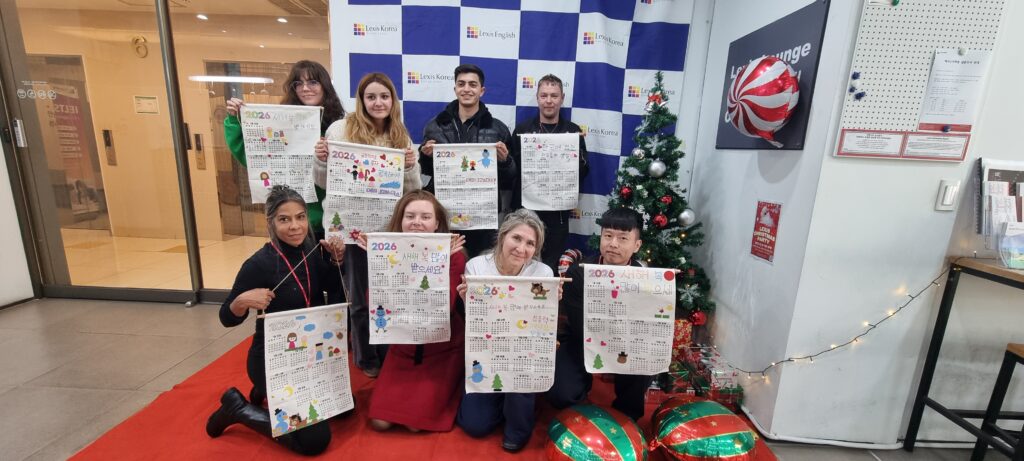
안녕하세요? 2026년을 앞두고 학생들과 함께 새해 달력 만들기를 했습니다.

먼저 한국 전통 문화인 십이간지에 대해서 알아봤습니다. 간단한 그림책으로 십이간지 이야기를 나누고 각자의 띠를 알아보았습니다. 그리고 십이간지 컬러링 종이에서 각자의 띠를 찾아서 색칠해보는 시간도 가졌습니다.

2026년은 병오년, ‘말의 해’ 라는 이야기를 나누고 본격적으로 달력 만들기를 시작했습니다.

각자의 개성에 따라서 스티커 붙이기, 그림 그리기, 글자 쓰기 등 다양하게 달력을 꾸며보았습니다. 자신의 띠를 그려서 만들어보기도 하고 말의 해인 만큼 말 모양 스티커를 만들어서 붙이기도 했습니다. 그리고 ‘새해 복 많이 받으세요’라는 새해 인사도 배워보고 그 글자도 직접 달력에 써 보았습니다. 뿐만 아니라 각자가 쓰고 싶은 문구들도 다양하게 넣어보았습니다.

모두 집중해서 각자의 달력을 정성스럽게 완성했습니다. 정말 각자의 개성이 돋보이는 달력들이었습니다. 만드는 과정이 즐거웠던 것처럼 2026년도 즐거운 시간이 많기를 바랍니다!

Hello!
As we prepare to welcome 2026, we spent a meaningful time making New Year calendars together with our students.

We began by learning about the Korean traditional culture of the Twelve Zodiac Animals. Through a simple picture book, we shared the story of the zodiac and discovered each student’s zodiac sign. The students also enjoyed finding their own zodiac animal on coloring sheets and bringing them to life with colors.

Since 2026 is the Year of the Horse (Byeong-o year), we talked about what that means and then moved on to creating the calendars. Everyone stayed focused and carefully worked on their own calendars, completing them with great care. Each calendar reflected the student’s unique personality and creativity, making them all truly special.

Just as the process of making the calendars was full of joy, we hope that 2026 will be filled with many happy and wonderful moments for everyone.

Busan Modern and Contemporary History Museum ― 부산근현대사박물관

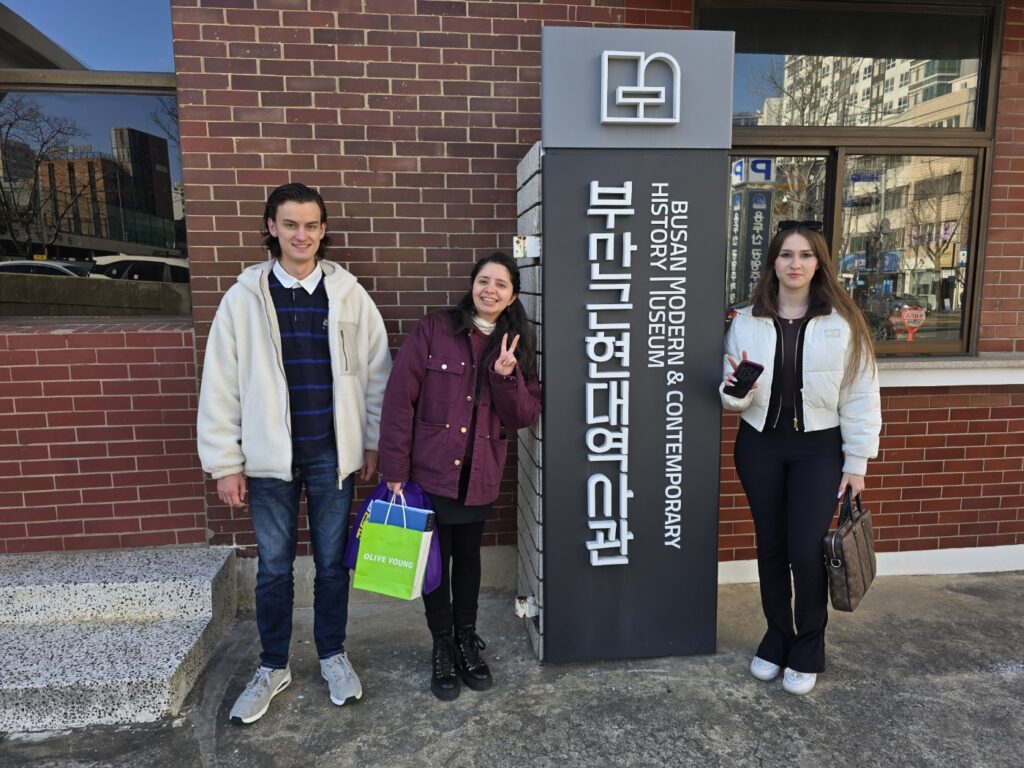
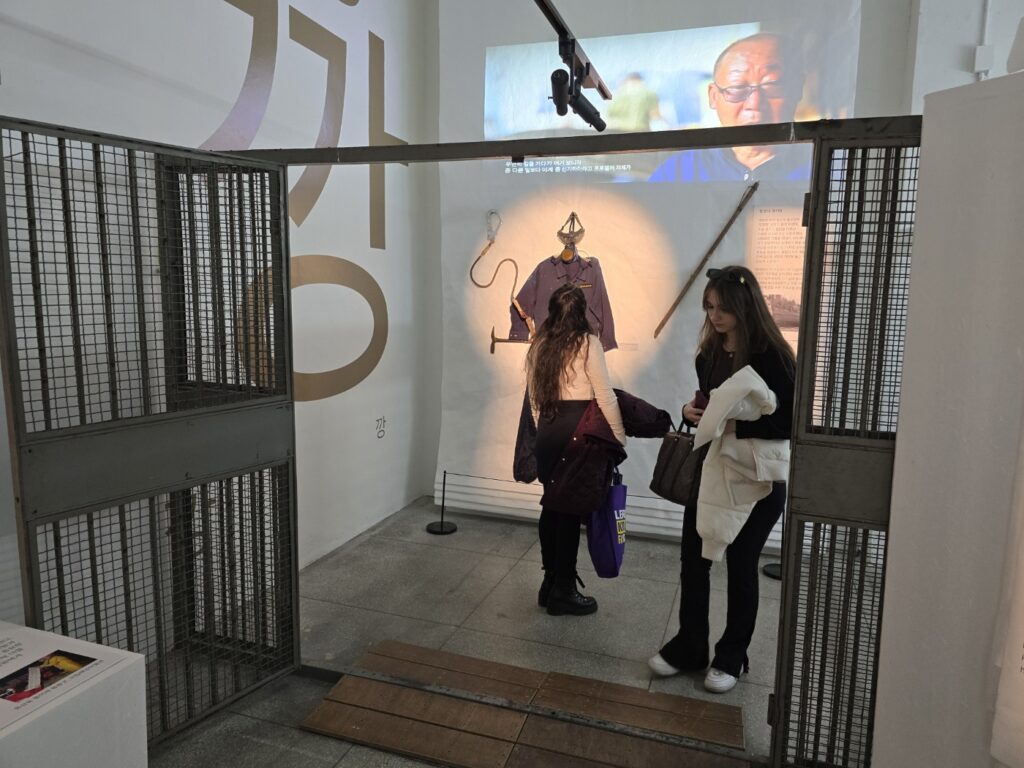
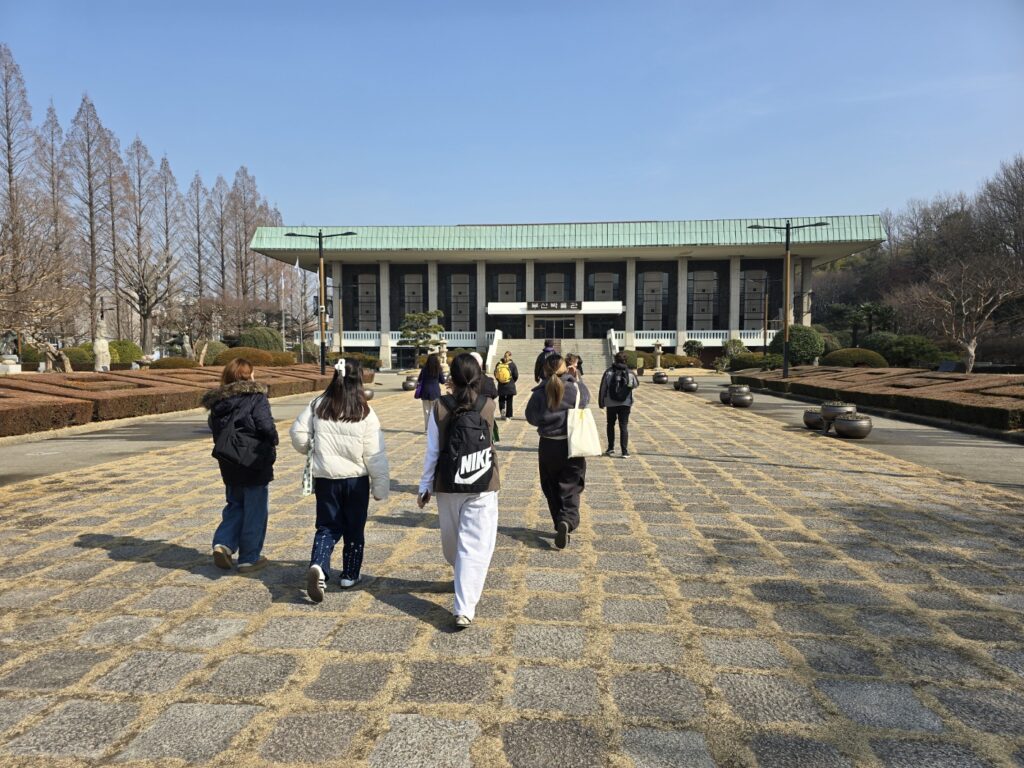
2026년 1월 16일, 렉시스코리아에서 부산근현대사박물관을 방문했어요. 이곳은 부산의 역사를 특히 전통 사회가 끝난 시점부터 살펴볼 수 있는 곳이에요.

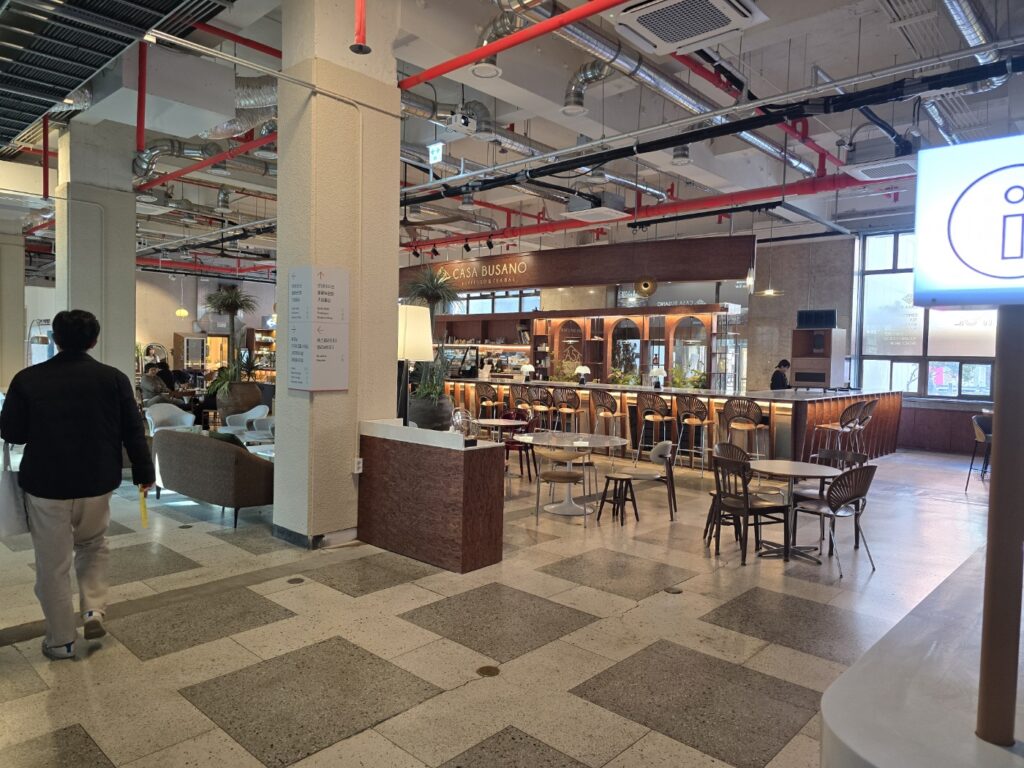
내부 1층에는 ‘Casa Busano’라는 이름의 프랜차이즈 카페도 있어요. 이름이 문법에 맞는 것 같지는 않지만 에스프레소를 중심으로 다루는, 한국에서는 비교적 보기 힘든 종류의 카페이고, 특히 부산의 브랜드이니 들르는 김에 커피 한 잔 하기 좋아요.

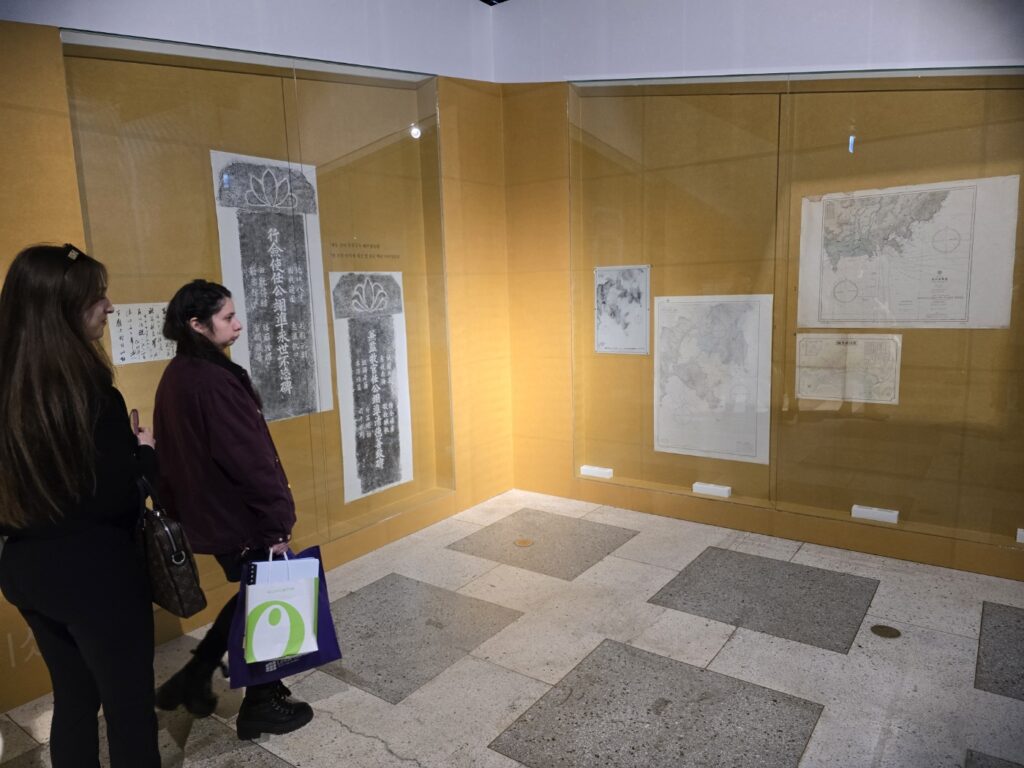
부산의 근대 시절 지도도 살피고 당시의 유물 사진도 봅니다. 깡깡이마을 등 부산의 일부 지역의 이야기도 함께 봐요. 깡깡이마을은 왜 깡깡이마을이라 불렸을까요?

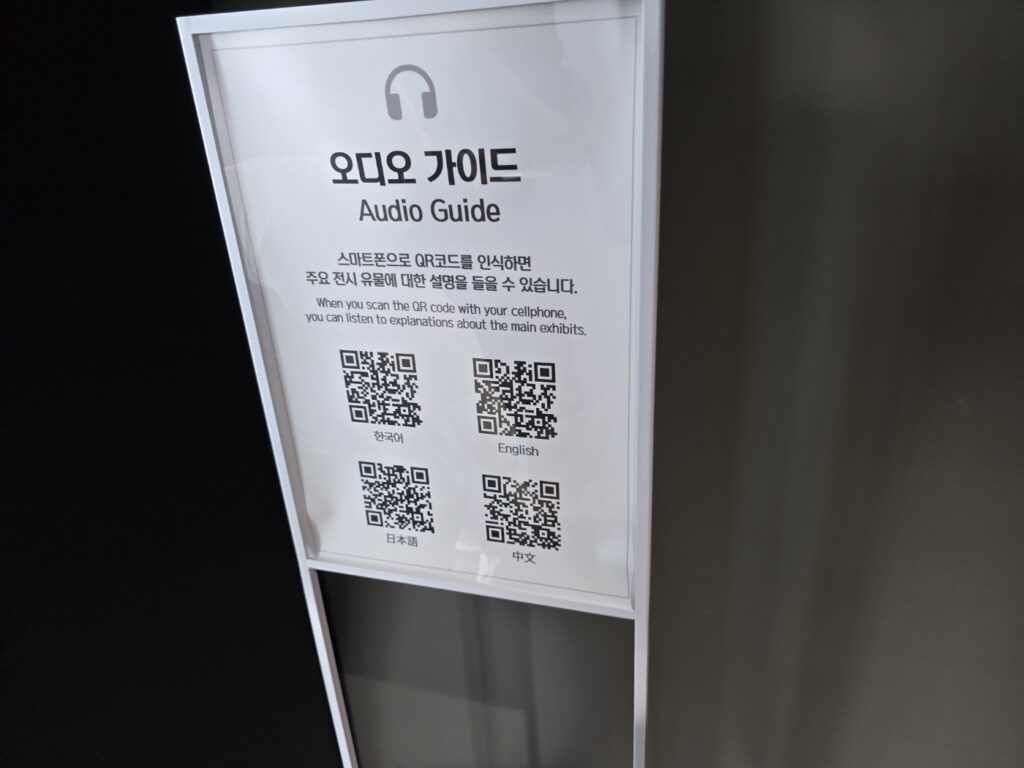
이곳 박물관은 한국어, 영어, 일본어, 중국어의 네 개 언어로 된 오디오 가이드를 제공합니다.

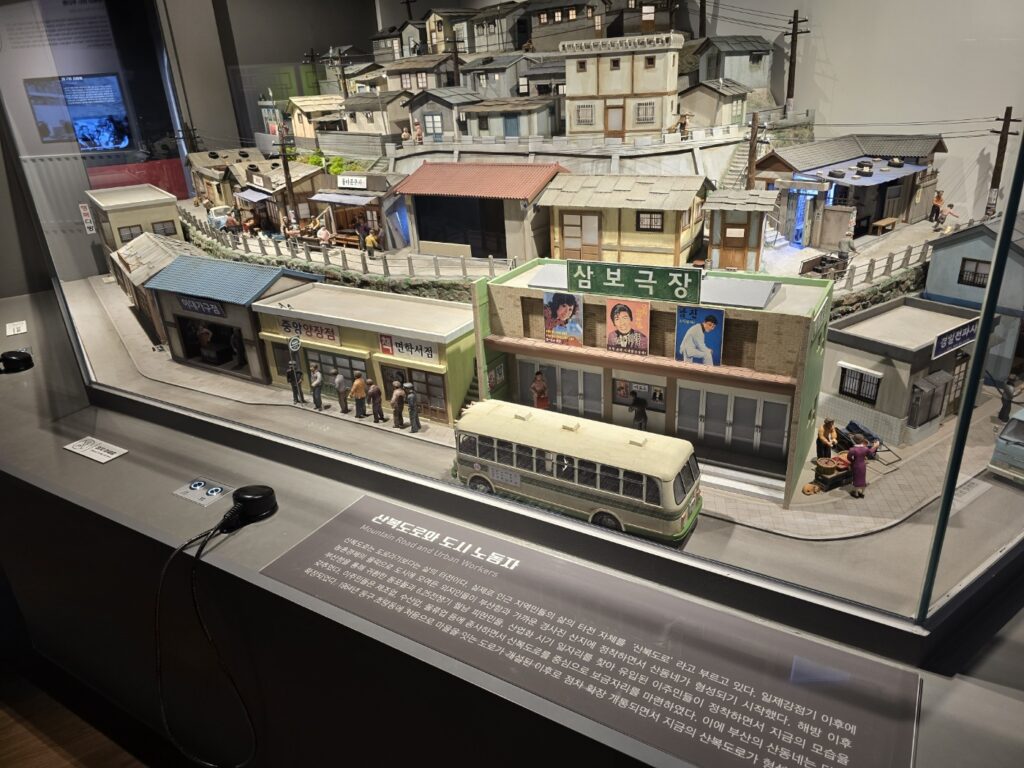
옛 부산의 흔적을 모형으로 만들어 놓은 것도 볼 수 있죠. 부산이 어떤 과정을 거쳐 20세기를 지나며 오늘날에 이르렀는지 알 수 있어요.

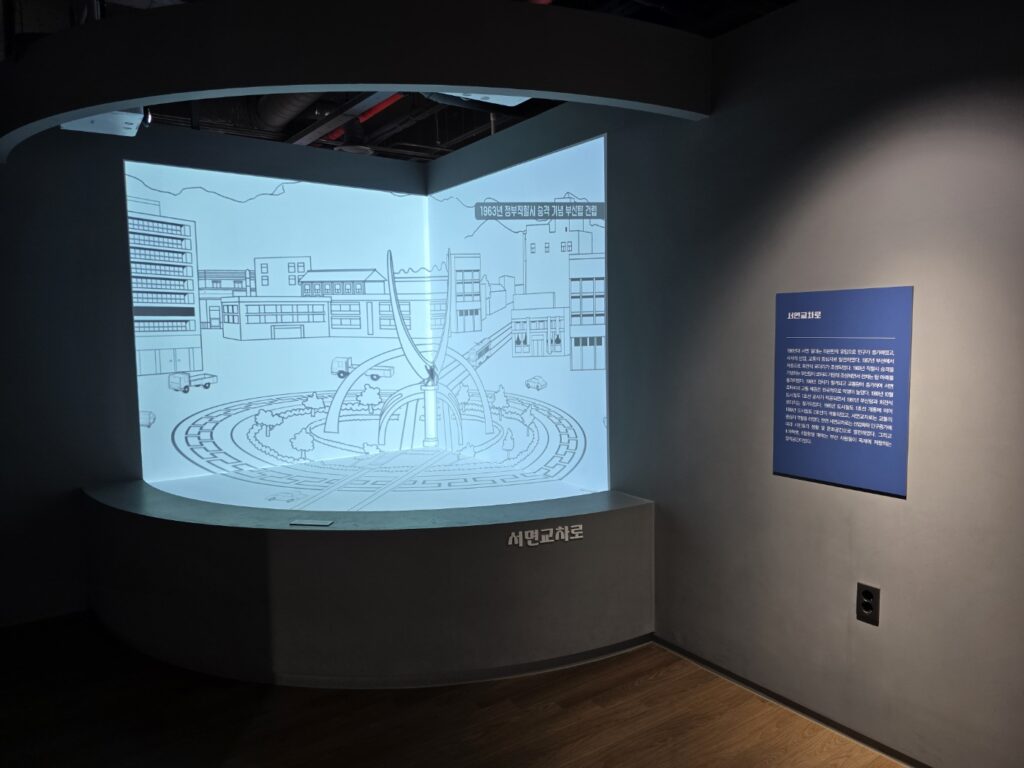
부산을 대표하는 곳 중 하나는 바로 서면이고, 그 서면의 중심에 서면교차로가 있어요. 서면교차로는 본래 서면 로터리였는데 이곳이 어떻게 지금과 같은 형태로 변모했는지도 살펴볼 수 있습니다.

<English translation>

On January 16, 2026, Lexis Korea visited the Busan Modern and Contemporary History Museum. This museum offers an in-depth look at the history of Busan, with a particular focus on the period beginning at the end of traditional Korean society.

On the first floor of the museum, there is a franchise café called Casa Busano. Although the name may not be grammatically conventional, it is a café that specializes in espresso-based coffee, a style that is relatively uncommon in Korea. As it is also a brand originating from Busan, it is a suitable place to stop for a cup of coffee while visiting the museum.

Visitors can examine maps of Busan from the modern era and view photographs of historical artifacts from that time. The museum also introduces stories from specific areas of Busan, including Kkang-Kkang Village. This raises an interesting question: why was it called Kkang-Kkang Village?

The museum provides audio guides in four languages: Korean, English, Japanese, and Chinese.

There are also scale models recreating scenes from old Busan, allowing visitors to understand the process through which the city passed through the 20th century and developed into its present form.

One of the areas that best represents Busan is Seomyeon, and at the center of Seomyeon is the Seomyeon Intersection. Originally known as the Seomyeon Rotary, the museum explains how this location transformed over time into its current form.

Gukje Market & Bupyeong Kkangtong Market ― 국제시장 & 부평깡통시장

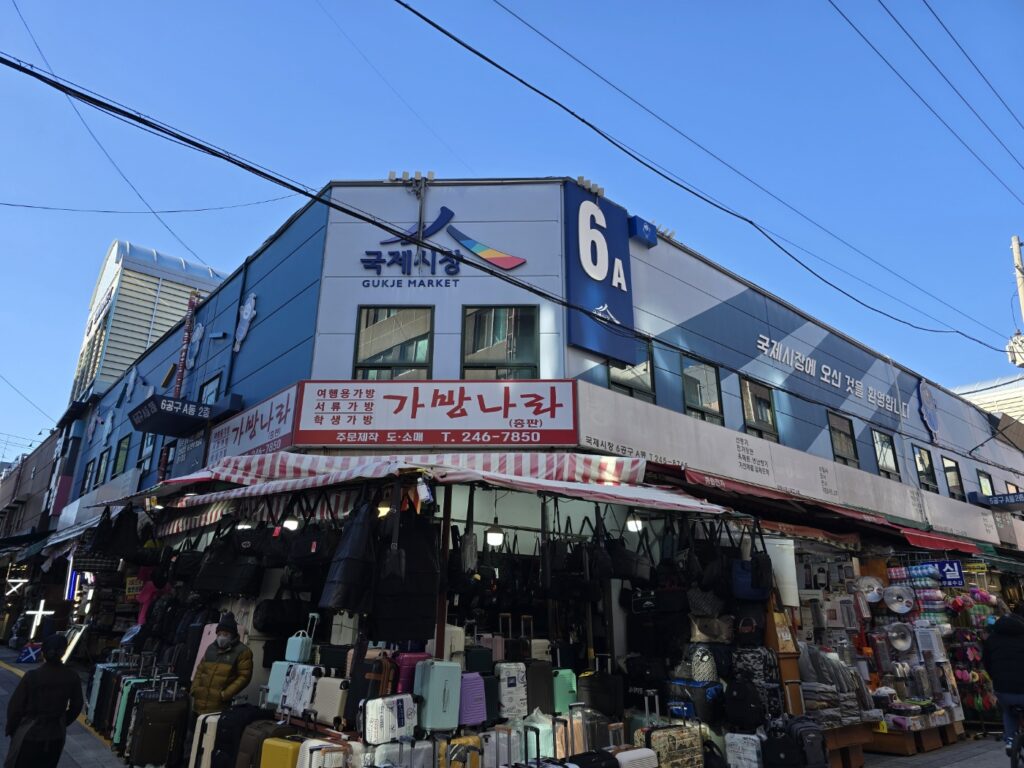
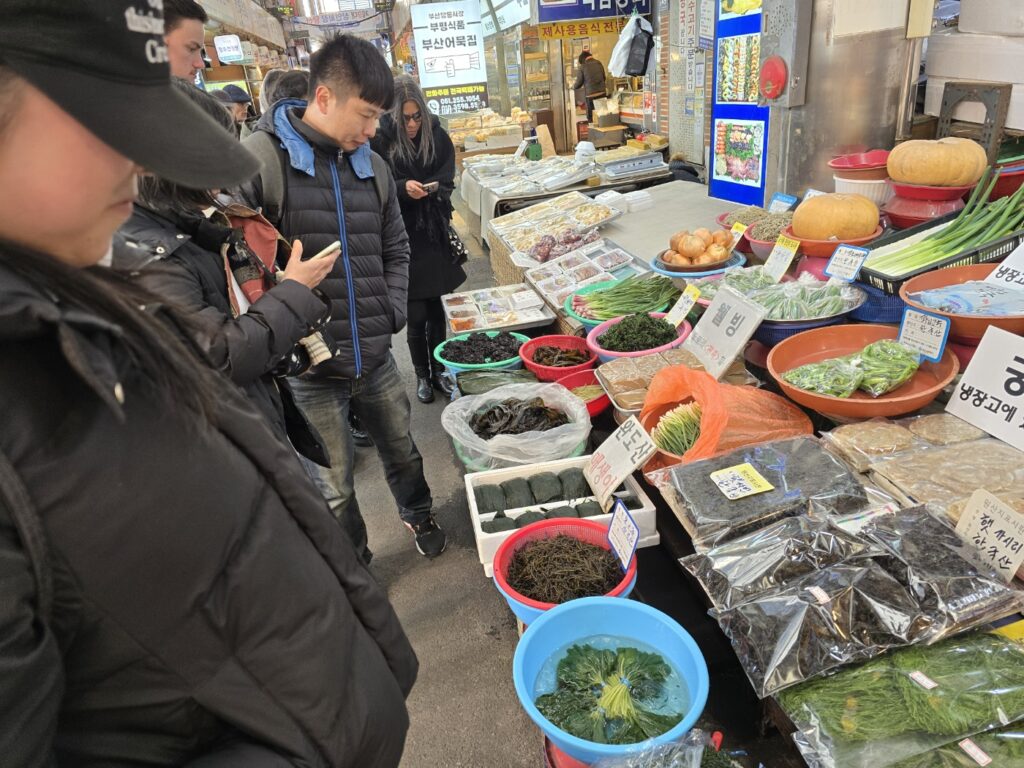
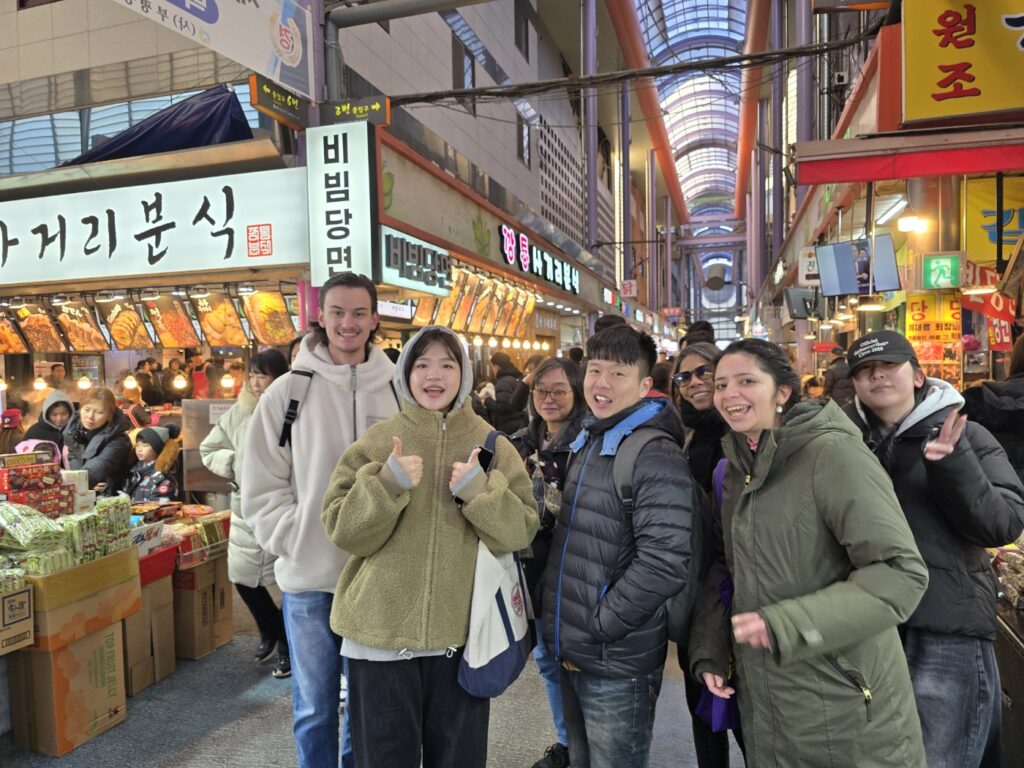
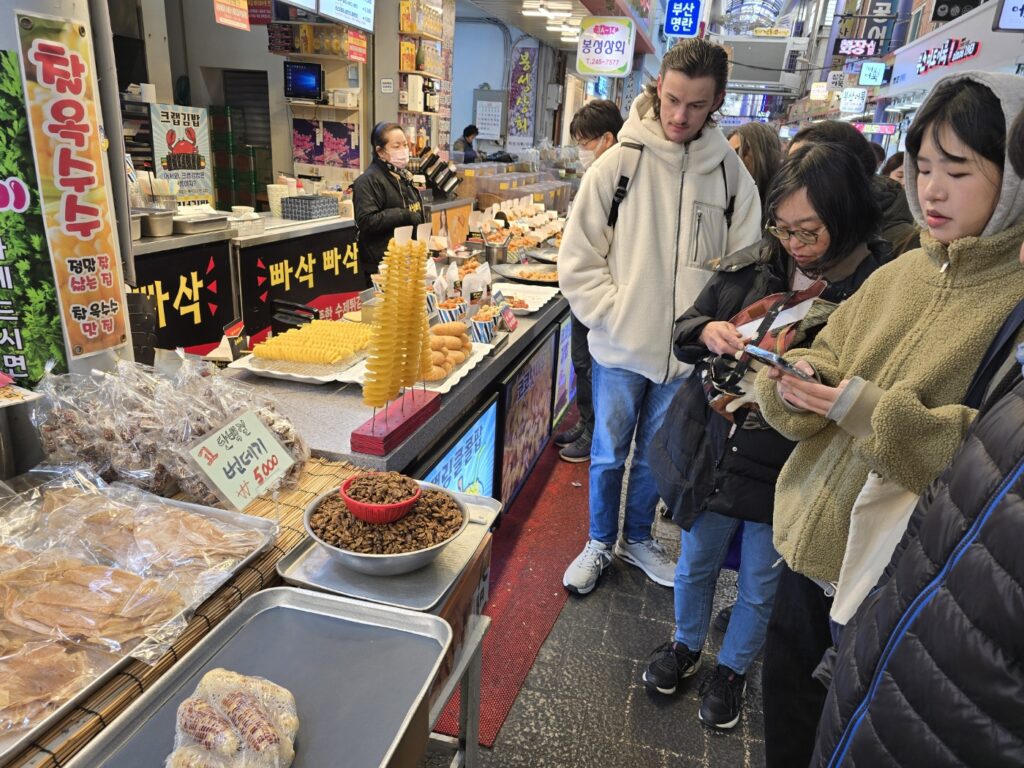
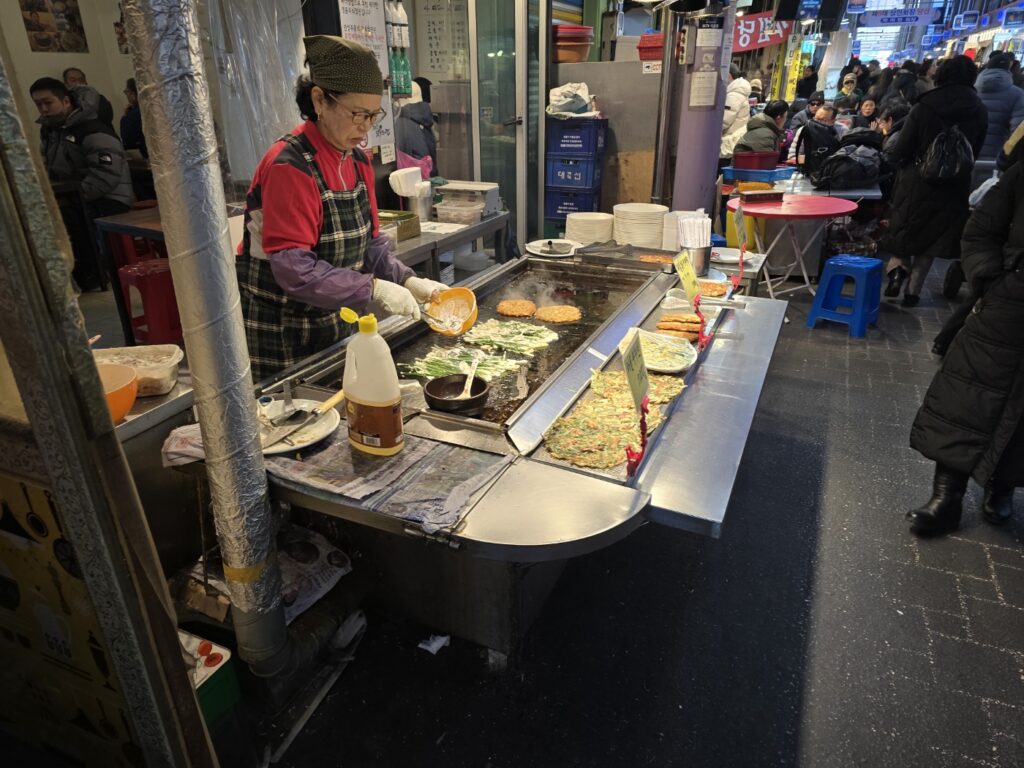
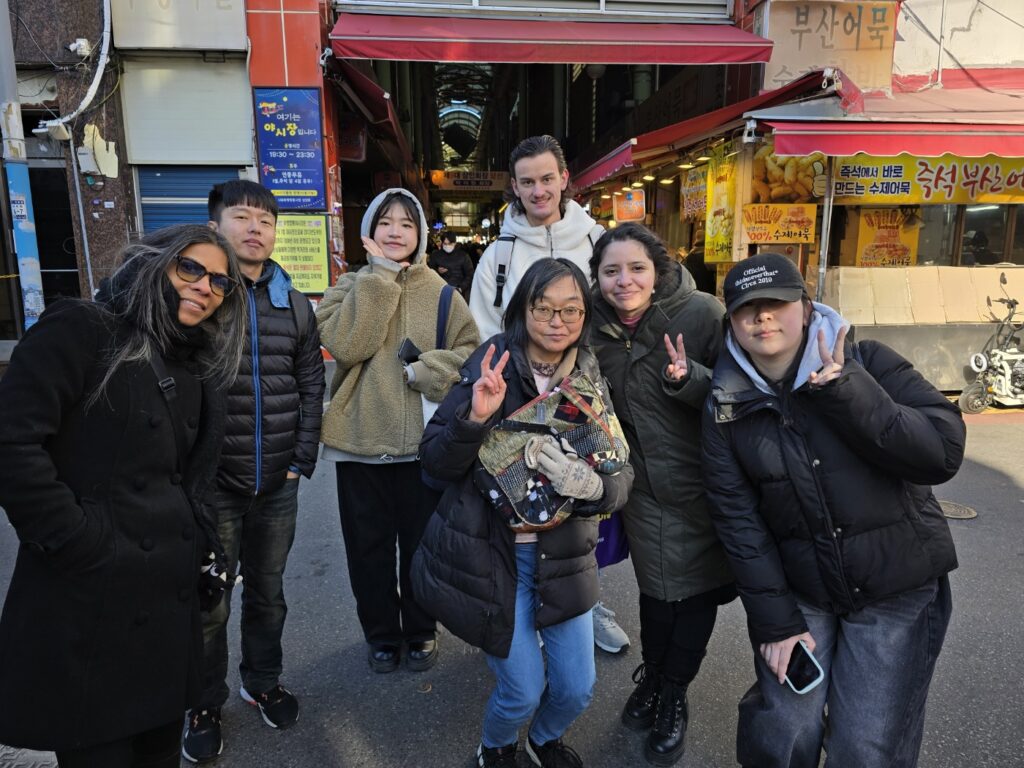
12월 26일, 렉시스 코리아에서 국제시장과 부평깡통시장을 방문했습니다.

On December 26th, Lexis Korea visited Gukje Market and Bupyeong Kkangtong Market.

이들 시장은 부산에서 유명한 시장입니다.

These are well-known local markets in Busan, South Korea.

국제시장은 동명의 한국 영화 제목으로도 알려져 있죠 .

The Gukje Market is also known for the Korean movie with the title of the same name.

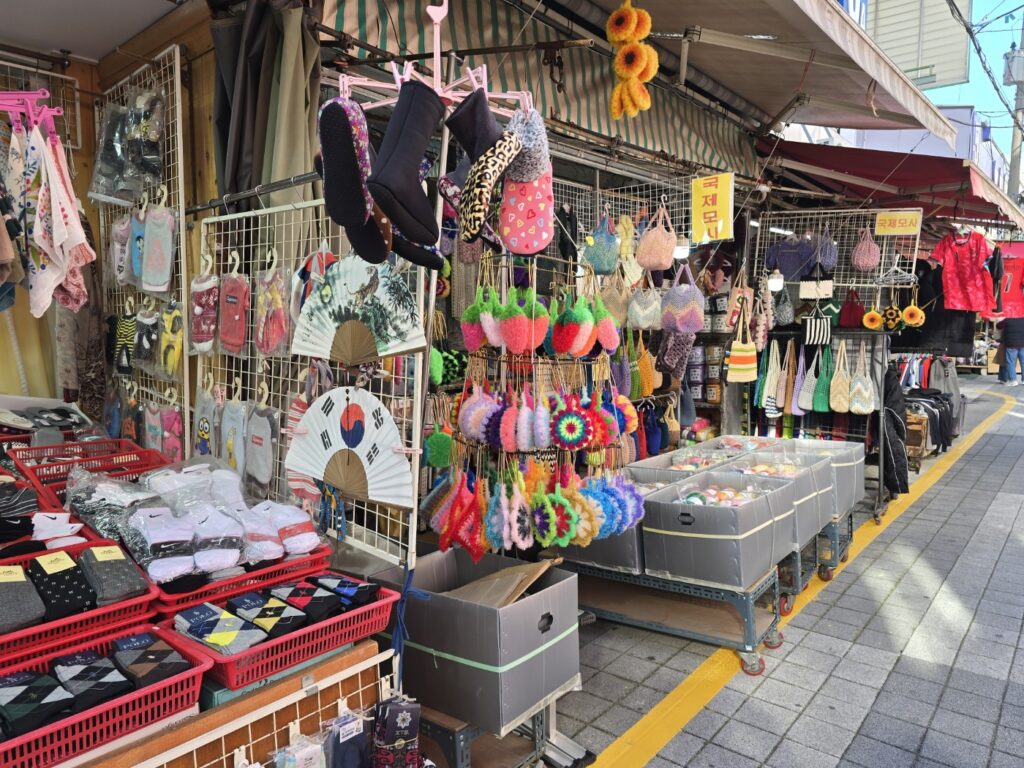
이곳에서는 다양한 생활용품은 물론 전통적인 디자인이 가미되어 외국인들에게 인기 만점인 물품도 팝니다.

It sells many products for daily life as well as such traditional-designed items which are popular among foreigners.

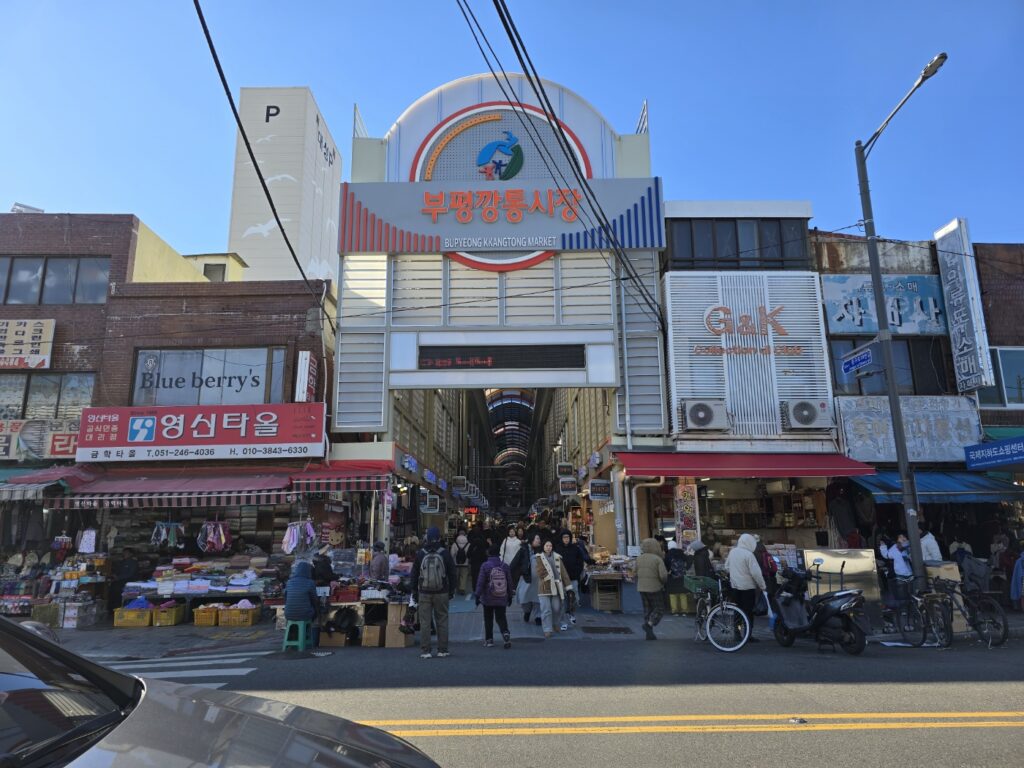
부평깡통시장은 국제시장 바로 근처에 있습니다. 여기는 전형적인 한국 전통 시장의 형태를 갖추고 있죠.

The Bupyeong Kkangtong Market is right near the Gukje Market. It has typical characteristics of Korean traditional markets.

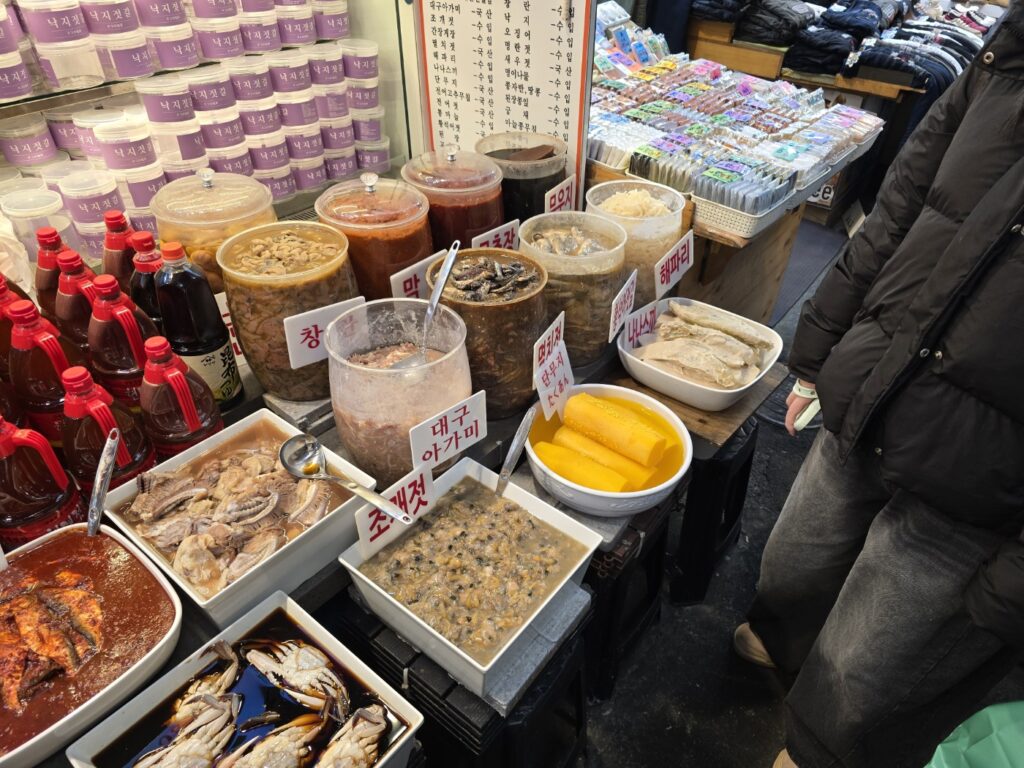
한국의 시장은 여러 일상 용품과 음식을 팝니다. 부산에서는 식품의 상당 부분이 해물인데 이는 부산이 바다에 접하고 있기 때문입니다.

Korean markets sell various daily products and food. In Busan, many kinds of food are seafood as Busan is located near the sea.

한국 돈을 현금으로 지참하면 값싼 음식과 제품을 전통 시장에서 구매할 수 있습니다. 전통 시장은 이따금 카드가 아닌 현금을 받기도 하거든요.

If you have some cash as Korean won, then you can buy cheap food and items at such markets. They often take cash instead of credit cards.

얼음장 같은 겨울바람에 힘들기는 했지만 한국의 시장이 어찌 생겼는지를 살펴볼 수 있는 즐거운 시간이었습니다.

Although it was a tough day due to cold winds, we had an interesting time looking into how Korean markets look like.

한국어도 배우고 한국 문화도 배우고 싶으신가요? 그럼 렉시스 코리아에 오세요! 언제나 여러분을 맞이할 준비가 돼 있답니다!

Do you want to learn culture of Korea as well as the Korean language? Attend Lexis Korea! We are always prepared to greet you!

KPOP DANCE – BABYMONSTER – WE GO UP

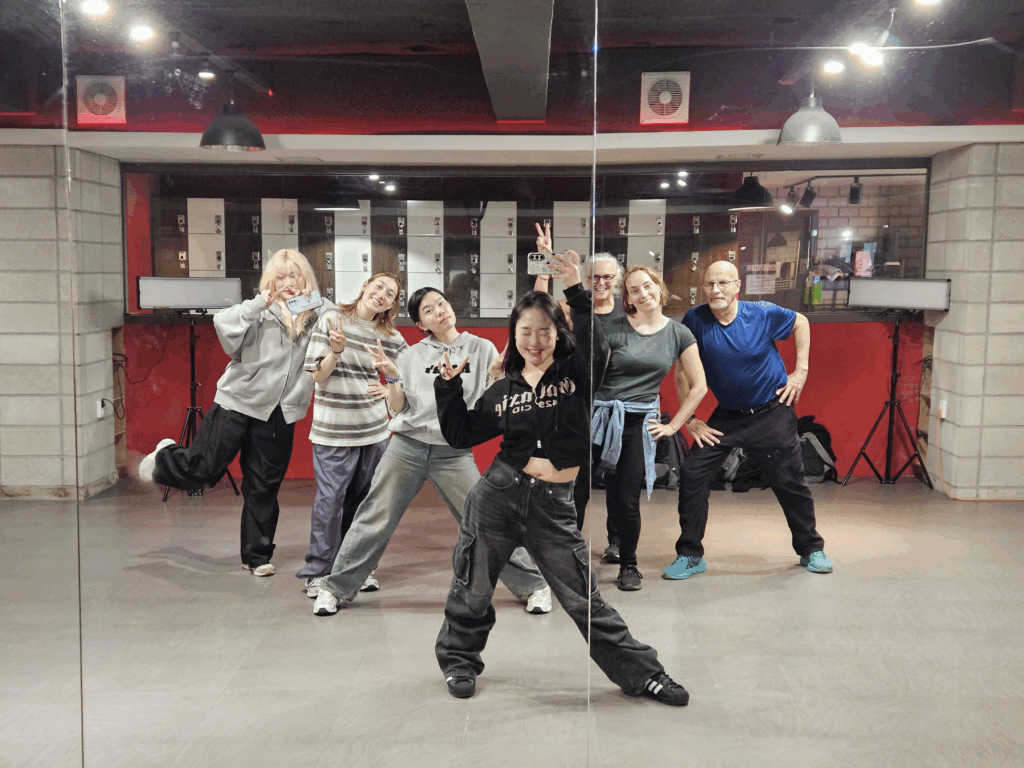
안녕하세요. 오늘은 KPOP 댄스를 배워 보는 시간을 가졌습니다!

YG의 신인 걸그룹 ‘베이비몬스터’의 신곡 ‘We go up’을 춰 보았는데요!

같이 보실까요?

안전 제일!

춤을 추기 전 몸을 풀어 줍니다.

몸을 풀고 난 후에는

본격적으로 동작을 익혔습니다!

어렵지만 재미있었어요.

활동 후 댄스 선생님과 한 컷!

너무 재미있는 시간이었어요.

학생들이 한국 문화에 대해

더 긍정적으로 느낄 수 있는 시간이 되었길 바랍니다

Haedong Yonggungsa – 해동용궁사

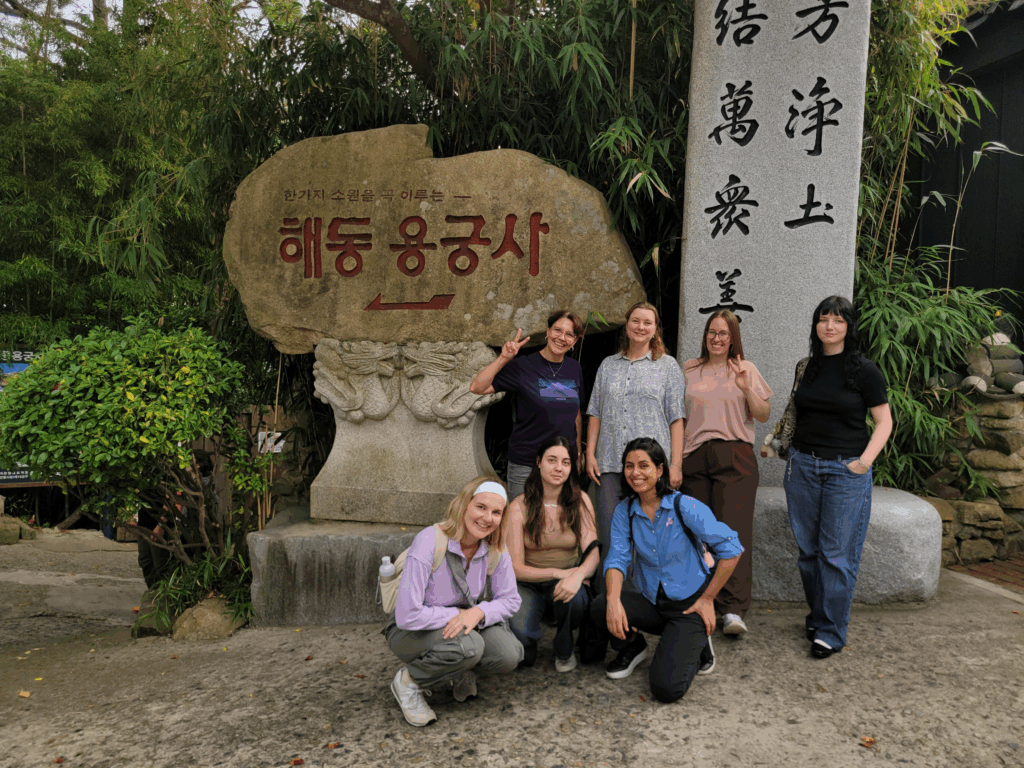
우리는 기장에 위치한 해동용궁사에 다녀왔어요!

해동용궁사는 바다 옆에 위치한 절(Temple)로 오랜 역사와 아름다운 풍경으로 유명해요.

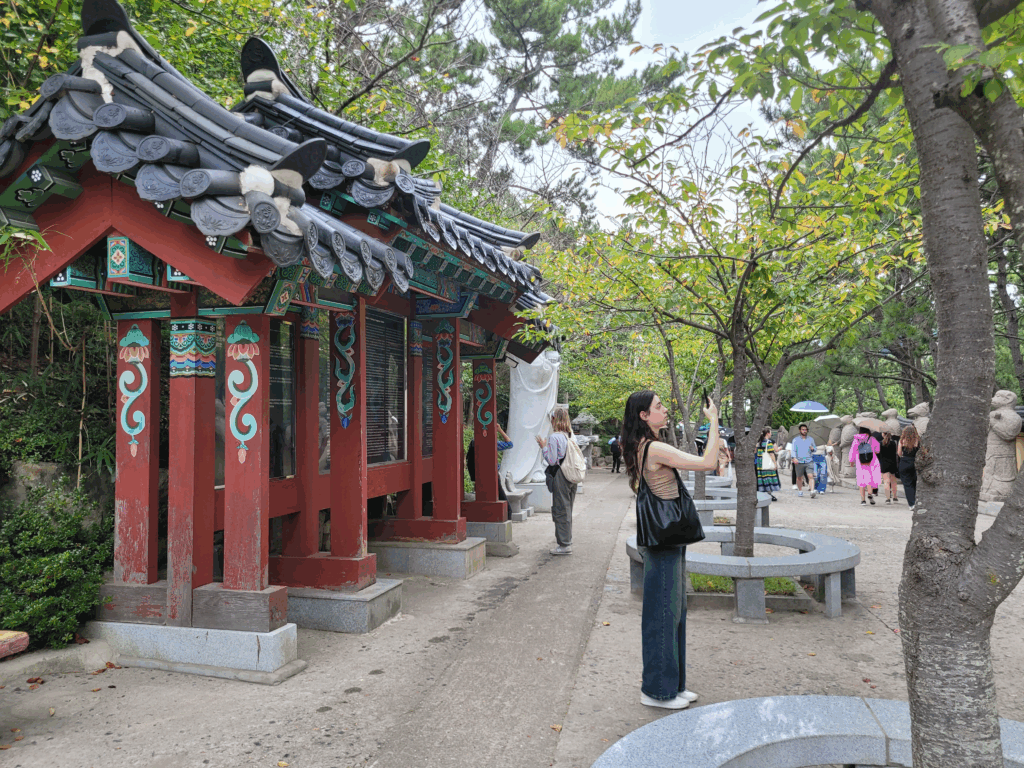
12개 띠 동상이 있었어요! 학생들이 자신의 띠 동상 옆에서 사진을 찍었습니다 🥰

해동용궁사를 본격적으로 구경하기에 앞서

단체사진 한 컷! 📸📸

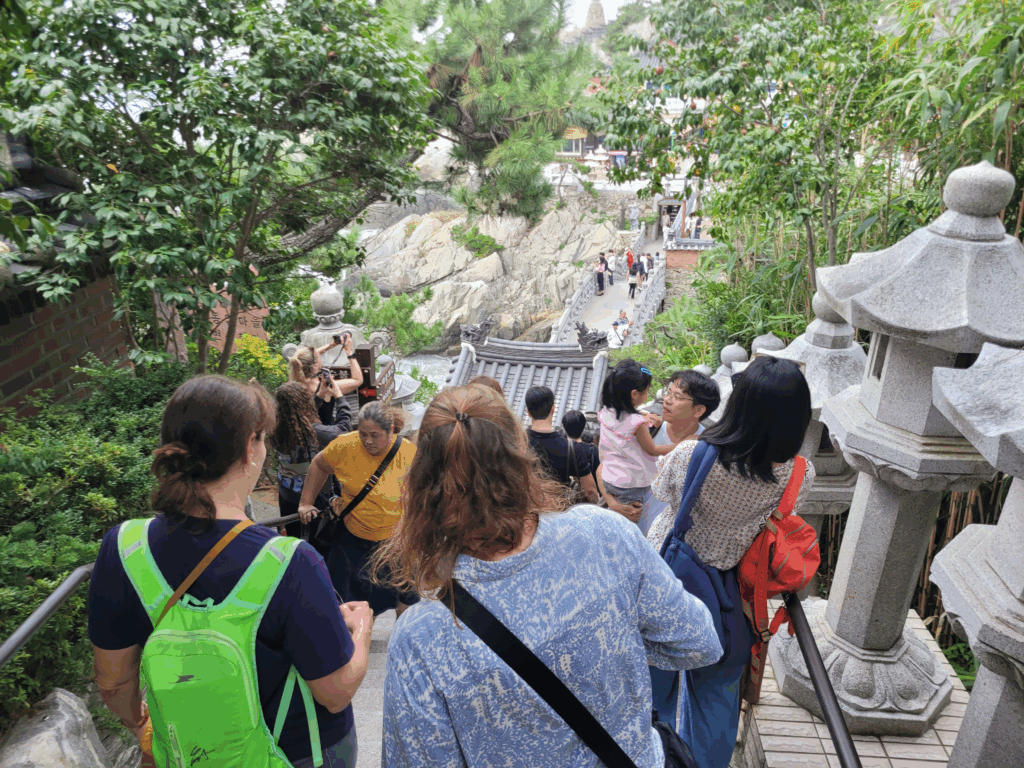
108 장수계단으로 내려가고 있어요

108개나 되는 계단 때문에 정말 높고 가파랐어요! 😝

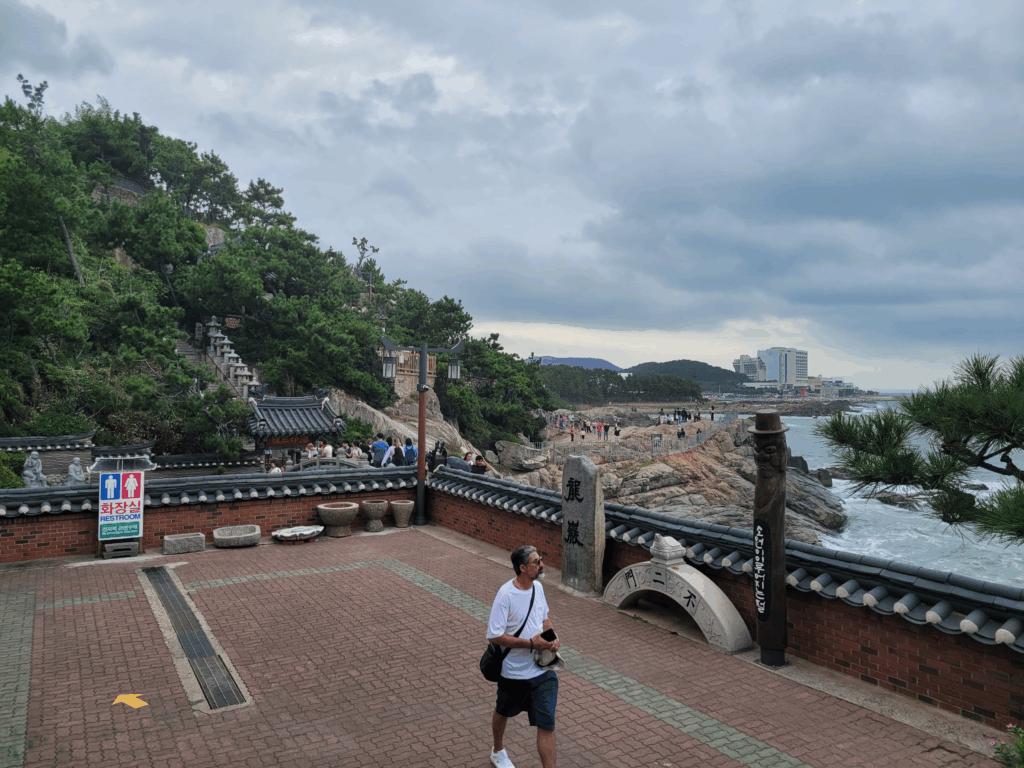
날씨가 조금 어두웠지만

풍경이 정말 예쁘죠?

외국인 관광객이 정말 많았어요

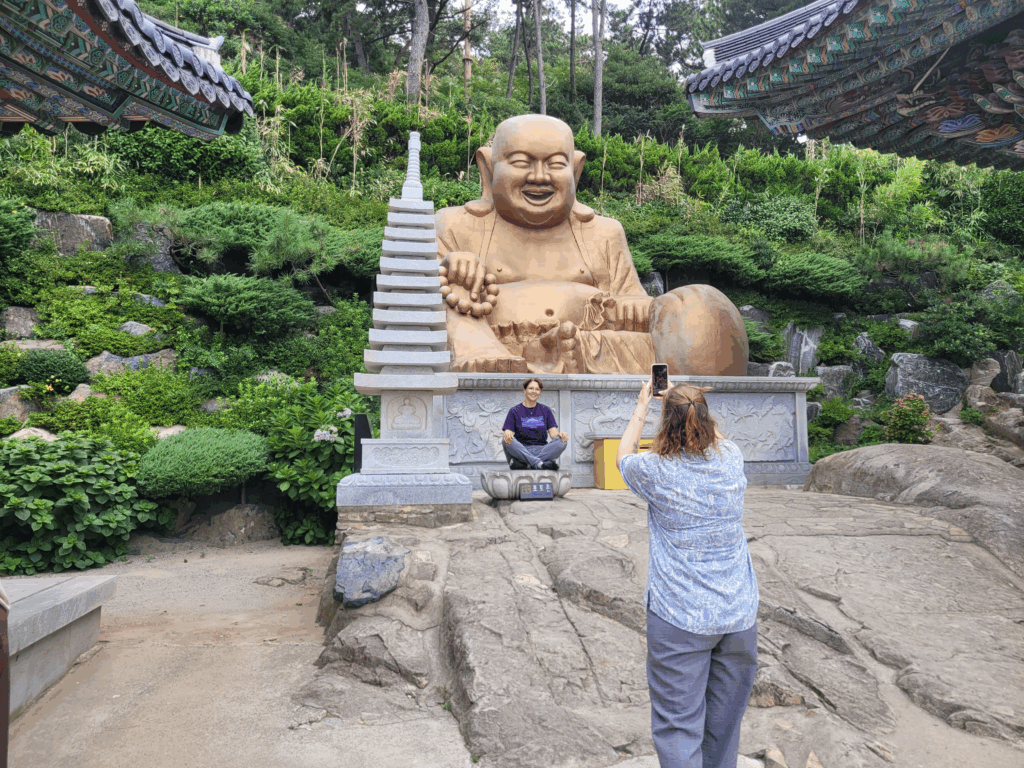
큰 불상 앞에서 포즈를 따라하며 사진 한 컷! 📸

사람들이 많았기 때문에 줄을 서서 사진을 찍었어요 ㅋㅋㅋ

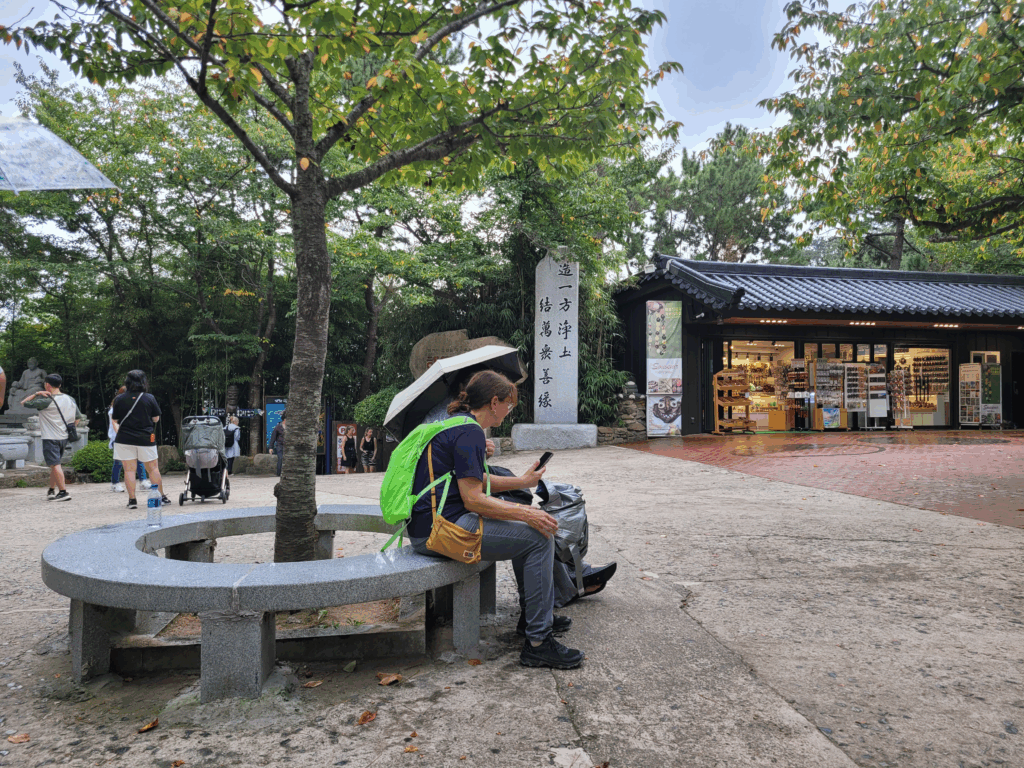
기념품 가게도 구경하고~

정말 재밌는 활동이었어요!

부산의 유명한 관광지에 다녀오고 좋은 추억도 쌓을 수 있었습니다 😍

Oryukdo Skywalk – 오륙도 스카이워크

Hello everyone! We went to the Oryukdo Skywalk in Busan! It’s a famous spot where you can see the beautiful ocean and feel like you’re walking in the sky. The weather wasn’t perfect, but the view was absolutely stunning!

The sea was so clear and the colors were amazing. Of course, the students took lots of photos—it was definitely a photo zone moment! 📸 We walked across the Skywalk, and since the floor is made of glass, we could see the ocean right beneath our feet.

It was a little scary, but such a cool and unforgettable experience. After the Skywalk, we also took a walk along the nearby trails. There was even a pond where we spotted some birds.

It was a wonderful day—enjoying the scenery, taking pictures, and strolling along the beautiful paths. 🌊✨

안녕하세요!

부산 ‘오륙도 스카이워크’에 다녀 왔어요. ‘오륙도 스카이워크’는 예쁜 바다를 볼 수 있고, 하늘을 걸을 수 있는 유명한 장소예요!

날씨가 조금 안 좋았지만 풍경이 정말 아름다웠어요! 바다가 깨끗하고 색이 예뻐요. 학생들이 사진을 찍었어요! 아마 포토존이에요. 스카이워크를 걸어요! 바닥이 투명해서 아래 바다를 볼 수 있었어요. 정말 무서웠지만 신기한 경험이었어요. 스카이워크에서 사진을 찍었어요!

스카이워크를 걷고 근처의 산책로에서 산책했어요.

연못이 있었는데 새를 만났어요! 예쁜 풍경도 보고 예쁜 길에서 산책도 한 좋은 시간이었어요.